
Scientists Find a Hidden Drain at the Back of the Eye
A newly found cleanup route, seen in mice, may help explain eye diseases that cause blindness.
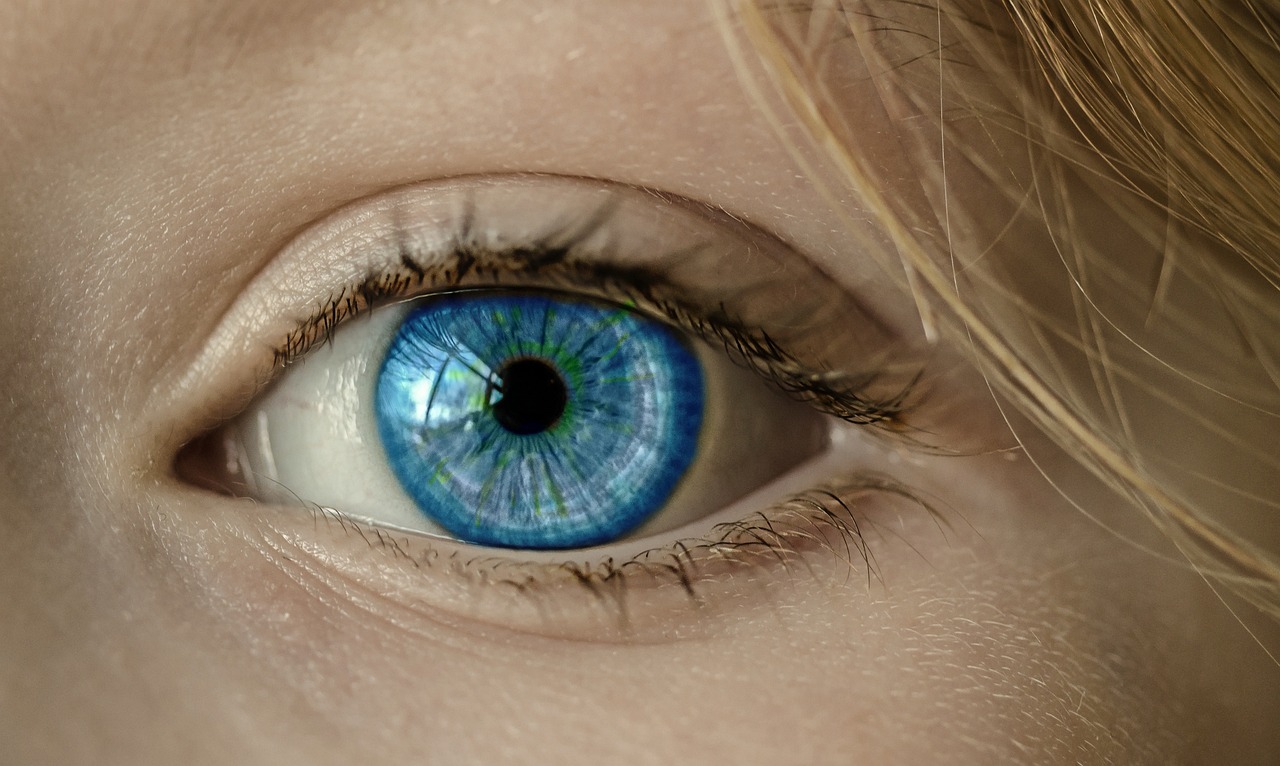
Scientists have found a cleanup system at the back of the eye that no one knew about. It is a hidden route that lets fluid and waste leave the eye and enter the body's lymphatic system. The lymphatic system helps the body keep its fluids balanced, remove waste and defend against illness. The discovery, made in mice, goes against long-held ideas about how the eye works. It could one day lead to new ways of treating conditions that cause blindness.
A collection of fluid, trash, and swelling in the rear of the eye causes serious conditions like glaucoma and age-related macular degeneration, which can lead to lasting blindness. Until now, researchers have struggled to explain exactly how this delicate area clears away what it does not need.
A team from the University of British Columbia and the University of Toronto has identified a drainage route called the posterior ocular lymphatic outflow pathway, or POLO. This part moves liquid and trash from the rear of the eye into the lymphatic system. The team says it gives scientists a new way to study how the eye protects its fragile tissues, and what happens when waste removal goes wrong.
Dr. Neeru Gupta, a professor and head of ophthalmology and visual sciences at UBC, explained that the retina is one of the most active parts of the body and is constantly making byproducts that need to be cleared. The retina is the light-sensitive layer at the back of the eye. It needs a lot of energy to turn light into signals the brain can read, and that activity creates waste. She said the discovery helps explain how the eye flushes this waste.
Age-related macular degeneration alone affects about 2.5 million Canadians. Gupta said the finding gives a whole new framework for understanding these diseases and a possible target for treatments. The next question, she said, is how to improve or use this cleanup system to treat or even prevent disease.
About this story
Source: ScienceDaily. Spotted a mistake? Tell us.
More in Health

A Study Finds That What People Do on Their Phones May Matter Most
Researchers say self-control and fear of missing out play a bigger role in problem phone use than personality.
Gut Bacteria May Change How Many Calories Your Body Absorbs
Arizona State University researchers built a model showing food labels may not tell the whole story.
Scientists Link a Brain Protein to Aging Changes in Mice
Restoring a protein called Menin improved memory, balance and bone mass in older mice within 30 days.