
Vanilla's Flavor Compound May Have a Future in Wound Care
Researchers in Australia say vanillin has properties that could help fight germs and swelling.
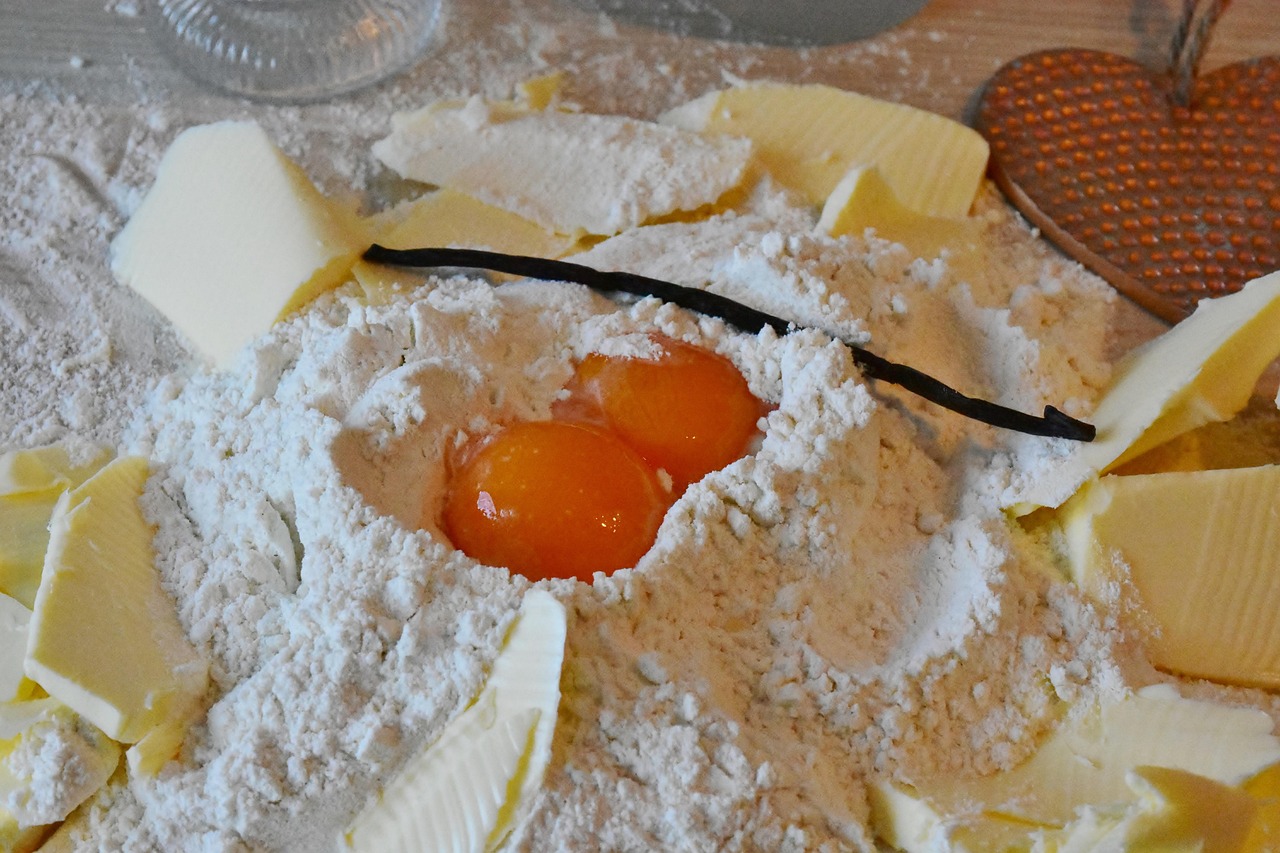
Vanilla is known for its sweet flavor and smell. Scientists at Flinders University now say the compound behind that flavor could have an unexpected use in medicine. The compound is called vanillin.
Researchers in the university's Biomedical Nanoengineering Laboratory found that vanillin has antioxidant, anti-inflammatory and antibacterial properties. In simple terms, it may help protect cells, reduce swelling and fight bacteria. Together, these effects could make it useful in products for treating wounds.
Vanillin is the main flavor and fragrance compound in natural vanilla pods. It can also be made in a lab from materials such as clove oil or rice. The molecule has chemical properties that could be useful beyond the kitchen. For example, it can work as a dynamic crosslinker, which helps join the different parts of a material together. That could help make special medical materials that carry drugs or support the repair of tissue.
One promising use is for chronic wounds and ulcers, which can be hard to treat. Reasons include long-lasting swelling, bacteria and damage from oxidative stress. Oxidative stress happens when harmful reactive molecules overwhelm the body's natural defenses and can damage cells and slow healing. A material that tackles oxidative stress, swelling and bacteria together could offer several advantages.
Professor Krasimir Vasilev, who directs the laboratory, said vanillin is among the most widely used flavor compounds in the world's food system and is valued for its taste, its chemical stability and its long history of safety. He said those strengths could carry over to medical uses. Because the lab-made form is plentiful and inexpensive, the team believes vanillin-based products could offer safe solutions for wound care.
The scientists say vanillin could one day become an important part of advanced wound treatments and regenerative medicine, which is medicine that helps the body repair or regrow tissue. For now, this is early research.
About this story
Source: ScienceDaily. Spotted a mistake? Tell us.
More in Health

A Study Finds That What People Do on Their Phones May Matter Most
Researchers say self-control and fear of missing out play a bigger role in problem phone use than personality.
Gut Bacteria May Change How Many Calories Your Body Absorbs
Arizona State University researchers built a model showing food labels may not tell the whole story.

Scientists Link a Brain Protein to Aging Changes in Mice
Restoring a protein called Menin improved memory, balance and bone mass in older mice within 30 days.