
A Humpback Whale Mother Stayed Near Her Calf for Hours, Scientists Report
Researchers say the rare sighting off Australia's Gold Coast may offer clues about whale emotions.
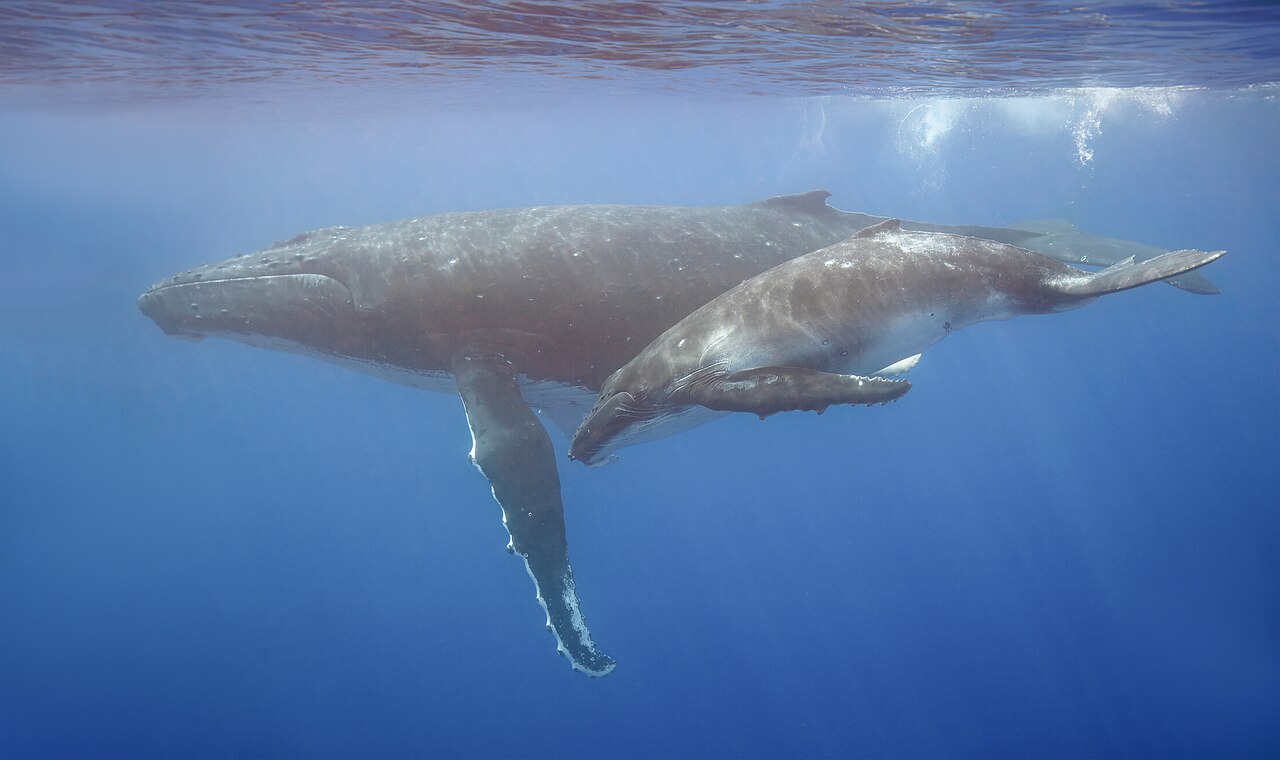
Scientists have documented a rare moment in which a humpback whale mother stayed beside her calf, which had died. ScienceDaily reports that researchers from Griffith University and the Sea World Foundation saw it in 2025 off the southern Gold Coast in Australia. A female humpback was with an escort whale after she had apparently given birth to a calf that did not survive. She stayed near the calf for several hours and possibly for days. The researchers say it raises the possibility that humpback mothers may feel grief when a calf dies.
Dr. Olaf Meynecke, from Griffith University's Whales and Climate Research Program, said that attentive behavior toward dead animals has mostly been recorded in toothed whales and dolphins. It is much less common in published research on baleen whales such as humpbacks. In reports of toothed whales, mothers have been seen lifting dead calves to the surface. This humpback stayed near her calf under the surface, kept eye contact and positioned herself next to it over several hours, and maybe days. Those actions matched caregiving and nurturing behavior known from other socially complex mammals, he said, and showed a strong bond between mother and calf.
The encounter was seen by Andrew Mulville, a rescue boat captain with the Sea World Foundation. He first thought two whales were just resting on the surface, but their behavior was unusual, and he said it was not what he expected to see that day.
There are only a few documented cases involving dead calves in baleen whales. Meynecke said these rare and sad encounters could help scientists understand how large whales deal with death, and what that says about their thinking and feelings. Because they are seen so rarely, researchers say careful records are important to find out whether the behavior shows attachment, grief-like responses or other social and emotional behavior.
About this story
Source: ScienceDaily. Spotted a mistake? Tell us.
More in Animals
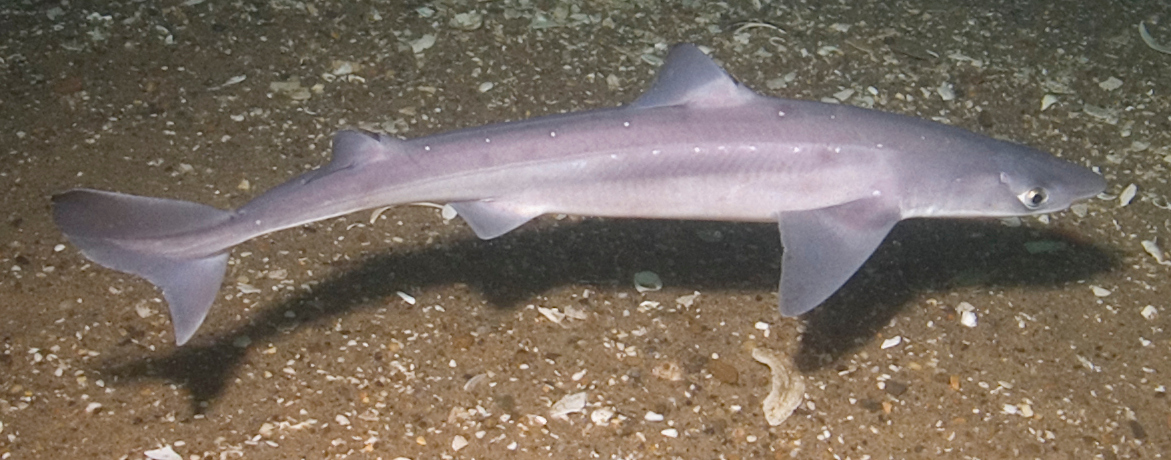
Scientists Find a Hormone in Spiny Dogfish Sharks That Experts Thought Sharks Lacked
A study in Canada detected cortisol in the blood of a small shark species.

A Big Genetic Study of Cat Cancer Finds Surprising Links to Human Cancer
University of Guelph researchers studied tumors from almost 500 cats and say the results could help both species.
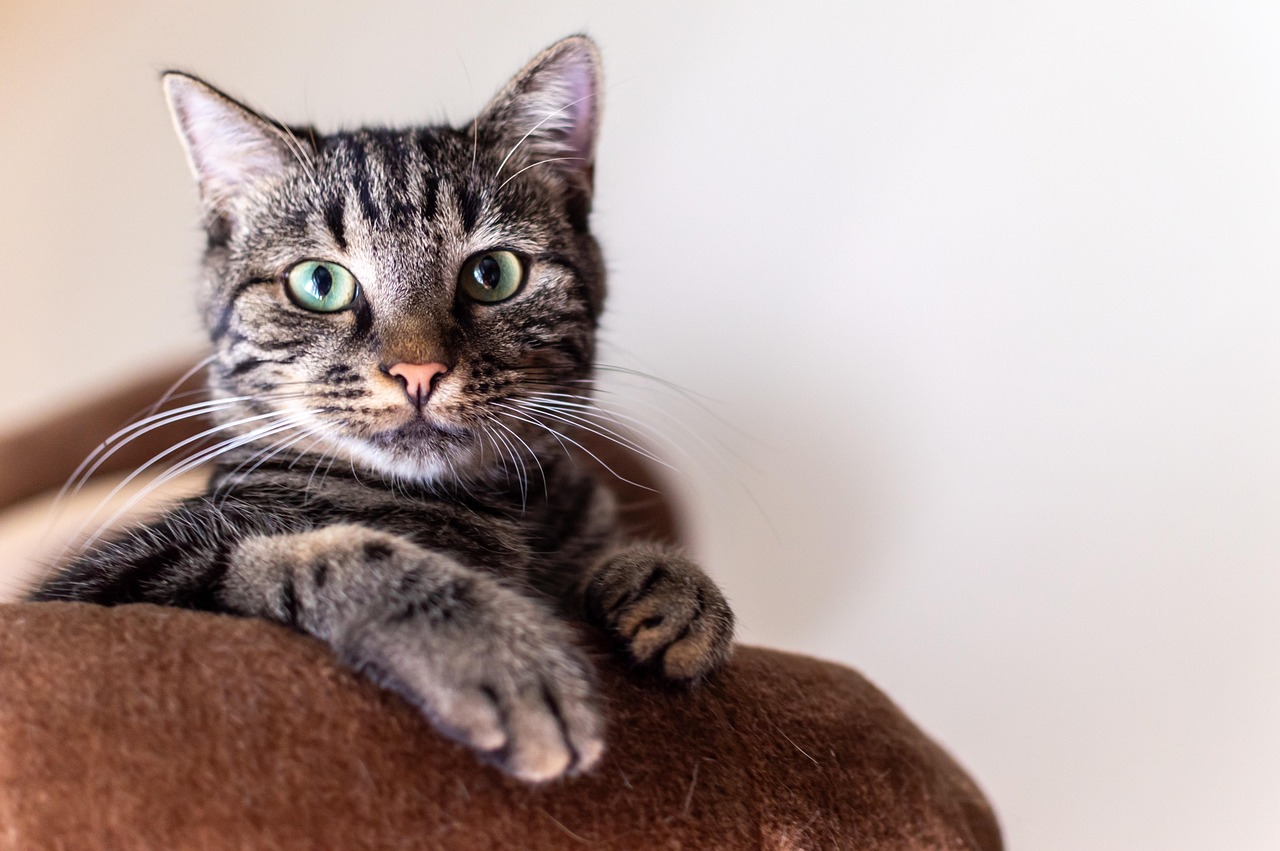
Scientists Find a Hidden "ID Card" in Cat Urine
Japanese researchers say 13 unusual fatty acids may let cats recognize each other long after a scent is left.