
Immune Cells Can Both Block and Help Bone Regrowth in Mice
A study of mouse fingertips found that some immune cells slow bone repair while others protect it.
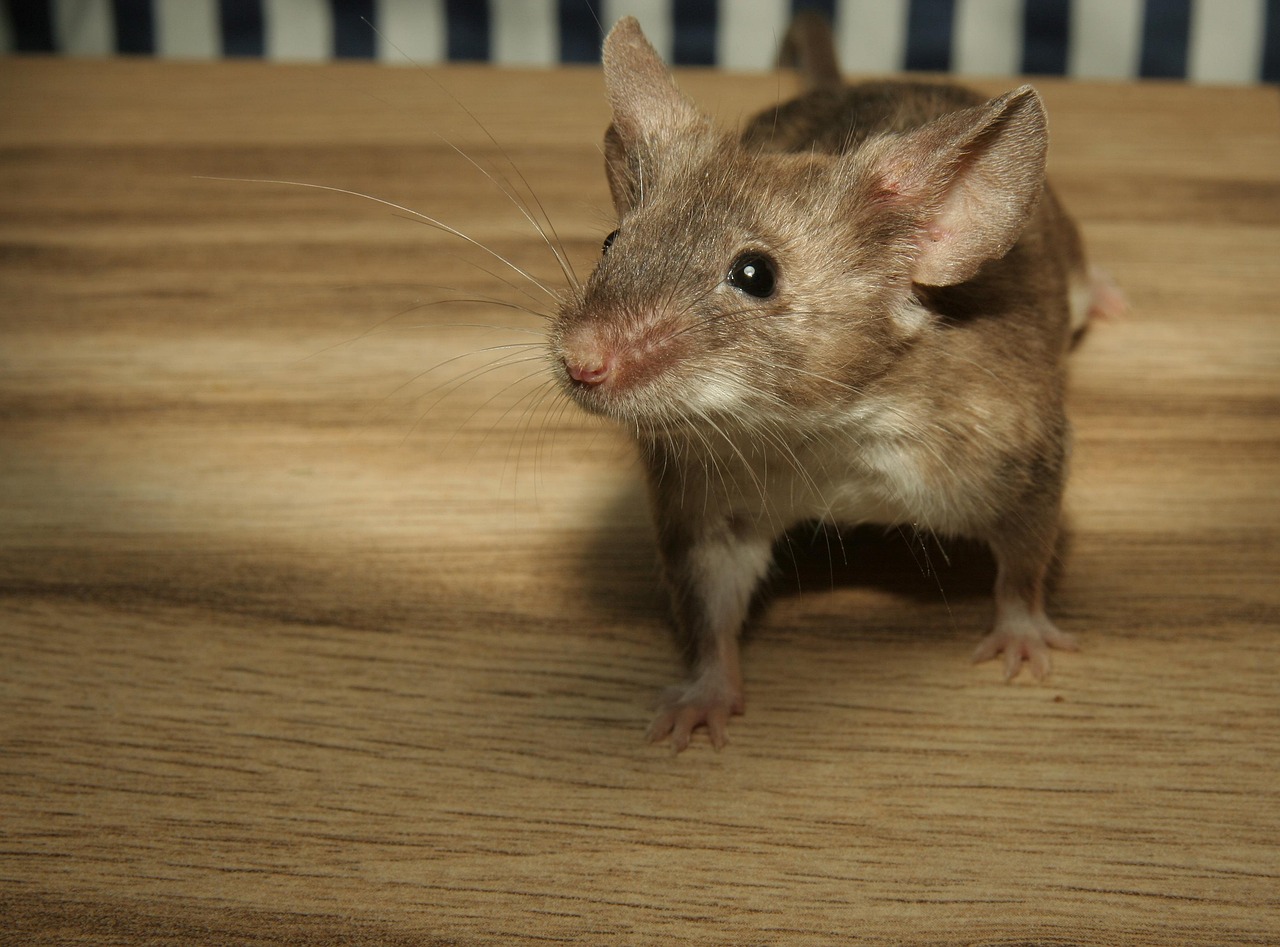
Mice can regrow a small part of their bone, skin, and nail at the tips of their toes and fingers after an injury, but their ability to do this is limited. A team of scientists wanted to learn more about how this regrowth works. The study was led by James Godwin, a senior research scientist at JAX and an assistant professor at the MDI Biological Laboratory in Bar Harbor, Maine.
The researchers studied 16 types of mice that differ from each other in their genes. Some of these mice lacked certain types of immune cells. Immune cells are the cells that help the body fight off harmful things. The team wanted to see how these cells affected regrowth.
The results showed that regrowth was faster and more effective when adaptive immune cells were missing. One type of these cells, called CD4+ T cells, strongly slowed regrowth. These cells could kill progenitor cells, which are the cells that grow into the cells that rebuild bone. Scientists found that a substance called interferon-gamma was a major reason for this harmful activity. When the CD4+ T cells could not make interferon-gamma, they no longer blocked regrowth.
The study also found that another group of immune cells, called regulatory T cells, helped protect the regrowing cells. These cells stopped other CD4+ T cells from attacking the new growth. When regulatory T cells were missing, regrowth was delayed, and the immune system began damaging bone that had not been injured. When the researchers added regulatory T cells back, regrowth started again.
Scientists also learned that raising the levels of a molecule called RANKL restored regrowth. RANKL helps control how bone is broken down and rebuilt.
According to Phys.org, the study was published in npj Regenerative Medicine. Its findings could help guide research into stem cell and progenitor cell therapies for serious injuries. Godwin said that no therapy is ready for patients yet.
More in Animals
Scientists Find a Hormone in Spiny Dogfish Sharks That Experts Thought Sharks Lacked
A study in Canada detected cortisol in the blood of a small shark species.

A Big Genetic Study of Cat Cancer Finds Surprising Links to Human Cancer
University of Guelph researchers studied tumors from almost 500 cats and say the results could help both species.

A Humpback Whale Mother Stayed Near Her Calf for Hours, Scientists Report
Researchers say the rare sighting off Australia's Gold Coast may offer clues about whale emotions.