
Bentley Is Owned by Volkswagen, but Its Cars Are Not Built in Germany
The story goes back to a 1998 bidding war between BMW and Volkswagen over two British luxury brands.
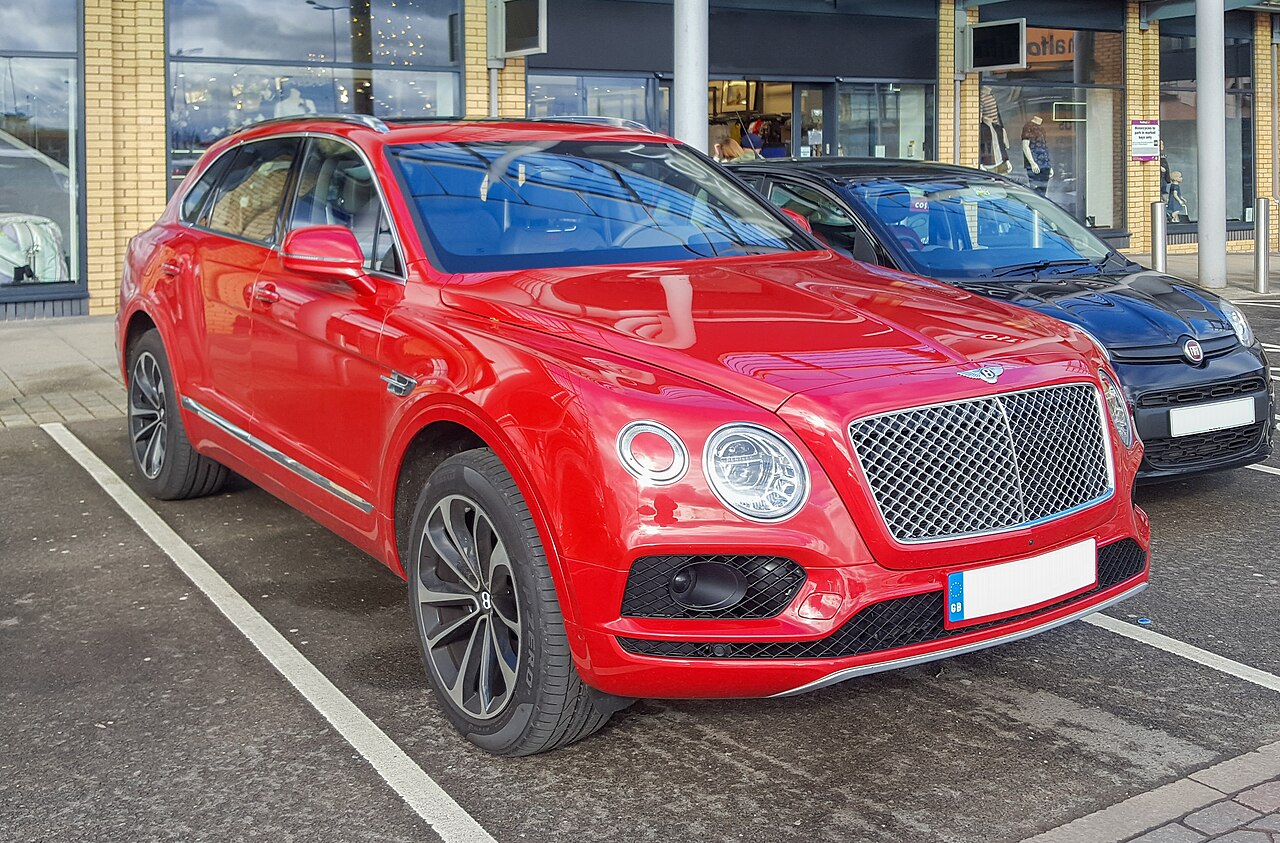
Is Bentley still truly British? Carscoops says fans still argue about it, and those who say no point to something that happened almost 30 years ago.
Bentley was founded in 1919 and became known for fast luxury cars and wins at races such as Le Mans in the 1920s. The Great Depression after the 1929 Wall Street Crash hurt the company, and rival Rolls-Royce took control. The Bentley name survived, but for about six decades its cars used Rolls-Royce chassis and engines, and some models were almost identical. Bentley still built its own identity with cars like the 1952 R-Type Continental, which inspired today's Continental GT.
In 1998, Rolls-Royce and Bentley's owner at the time, Vickers, decided to sell. BMW offered £340 million, and it looked like a done deal. But Volkswagen made an offer of £430 million for the factory in Crewe, in northwest England, and for the brands' cars. BMW had quietly made its own deal with the aircraft engine company Rolls-Royce PLC to license the Rolls-Royce name for £40 million. In the end, the two German companies agreed to share. BMW took Rolls-Royce and built a new factory at Goodwood, while Volkswagen ran Bentley from the old base in Crewe. Every current Bentley, from the Bentayga SUV to the Batur Convertible, comes from the English plant. In the past, though, demand for the Flying Spur was so high after 2005 and again in 2013 that a small number were built at Volkswagen's factory in Dresden, Germany.
You can find plenty of German parts in a Bentley. The Bentayga shares its platform with the Porsche Cayenne, and the Continental GT and Flying Spur share a design base with the Porsche Panamera. The famous 6.75-liter V8 ended in 2020, and today's 3.0-liter V6 and 4.0-liter V8 engines come from the VW group and are made in mainland Europe. Body shells are brought in from Germany.
But Carscoops says a car is more than its parts. The paint, the trim and the Mulliner personalization are what make a Bentley recognizable. A £350 million overhaul gave Crewe a modern paint shop, an engineering center and a new production line for the Torcal, Bentley's first electric car.
More in Cars
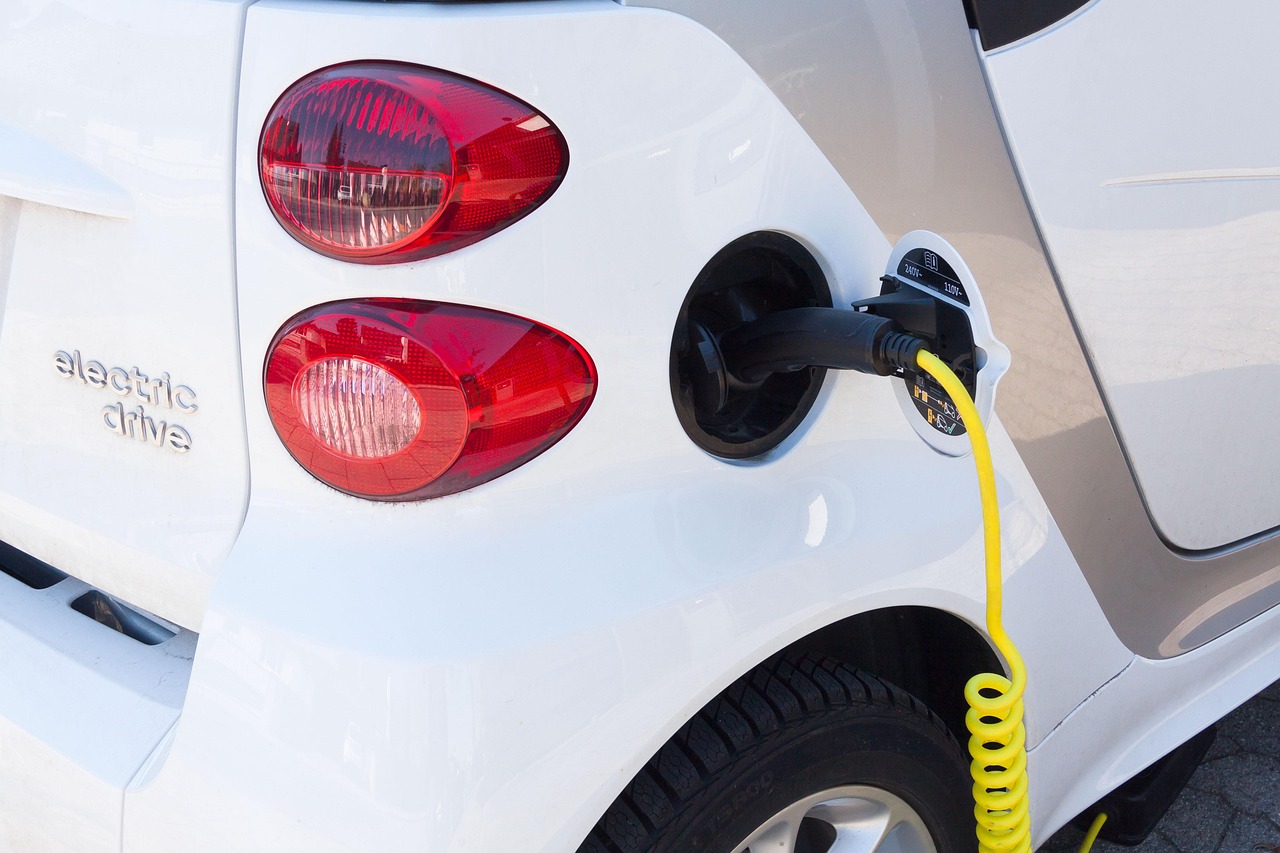
Charging Habits That May Wear Out an Electric Car's Battery
Engadget says simple limits on how full you charge, how hot it gets and how fast you charge can help a battery last.
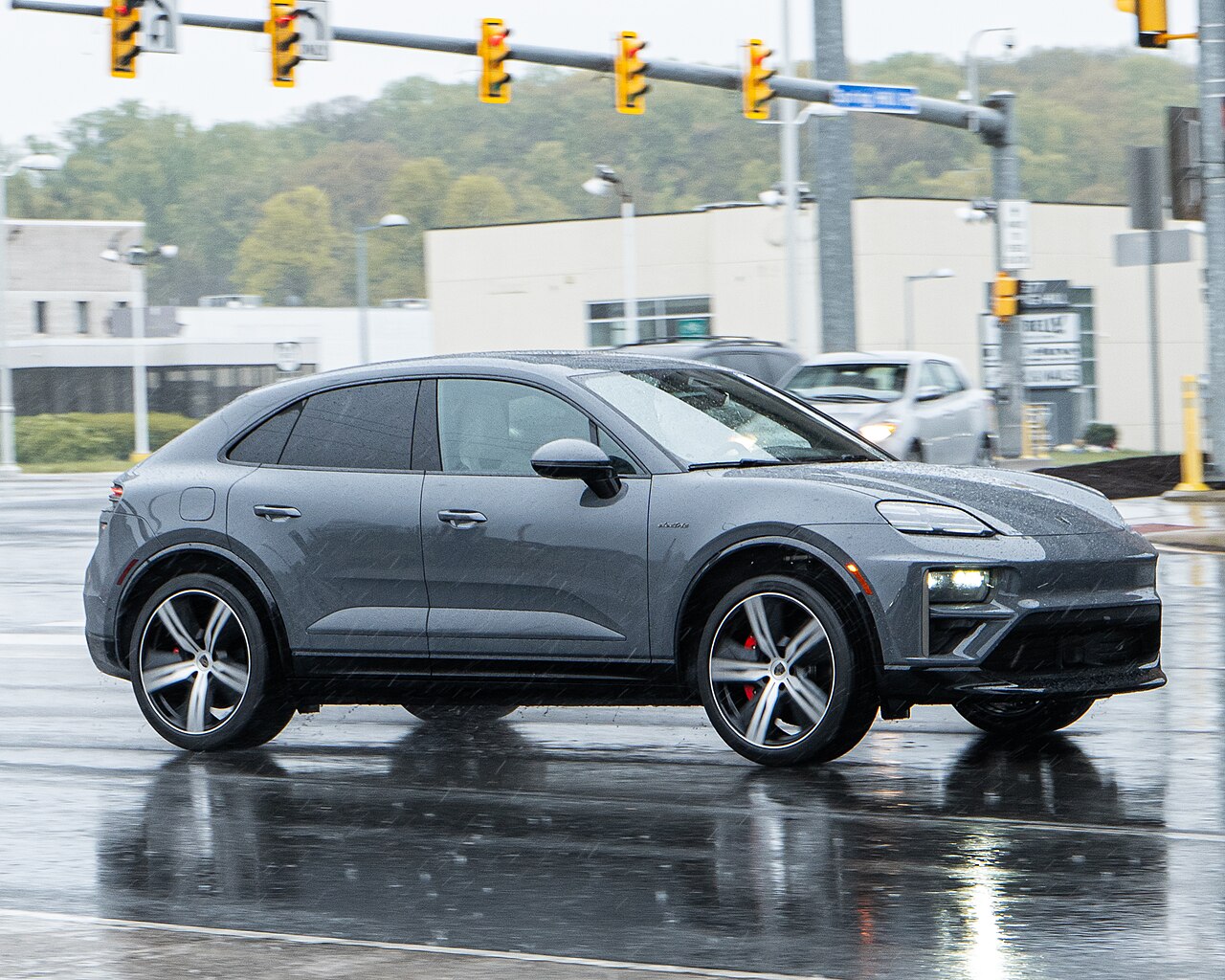
Porsche's Electric Macan Turbo Looks Ordinary but Drives Fast
A TechCrunch reviewer says the electric SUV blends into traffic yet accelerates like a sports car.
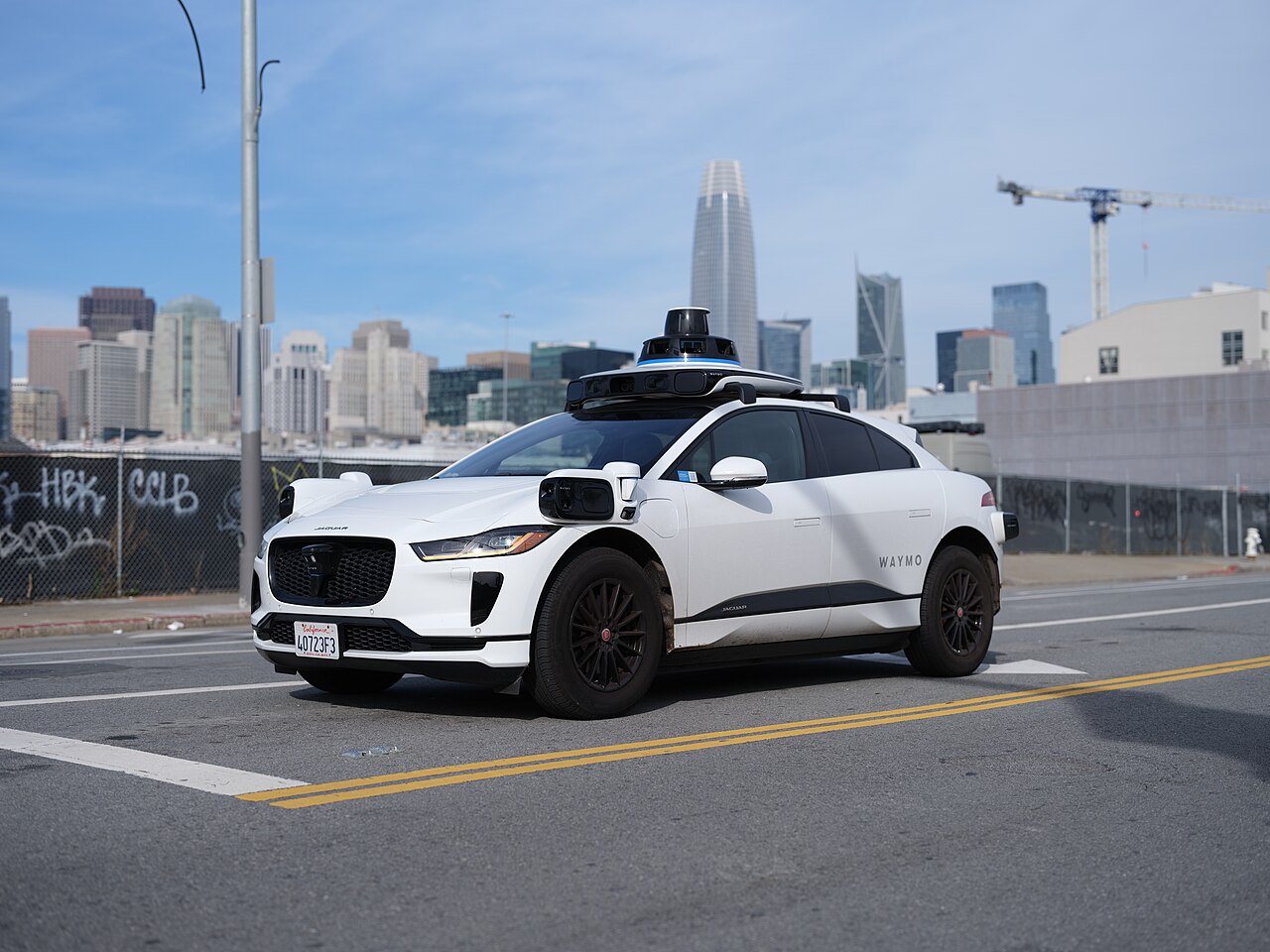
Waymo's Self-Driving Taxis Are Heading to Canada
The company has approval to join Ontario's pilot program and will start by mapping Toronto's streets.