
Halloween Falls on a Saturday This Year, and It Comes With a Bonus Hour
The end of daylight saving time gives everyone an extra hour after the trick-or-treating is over.
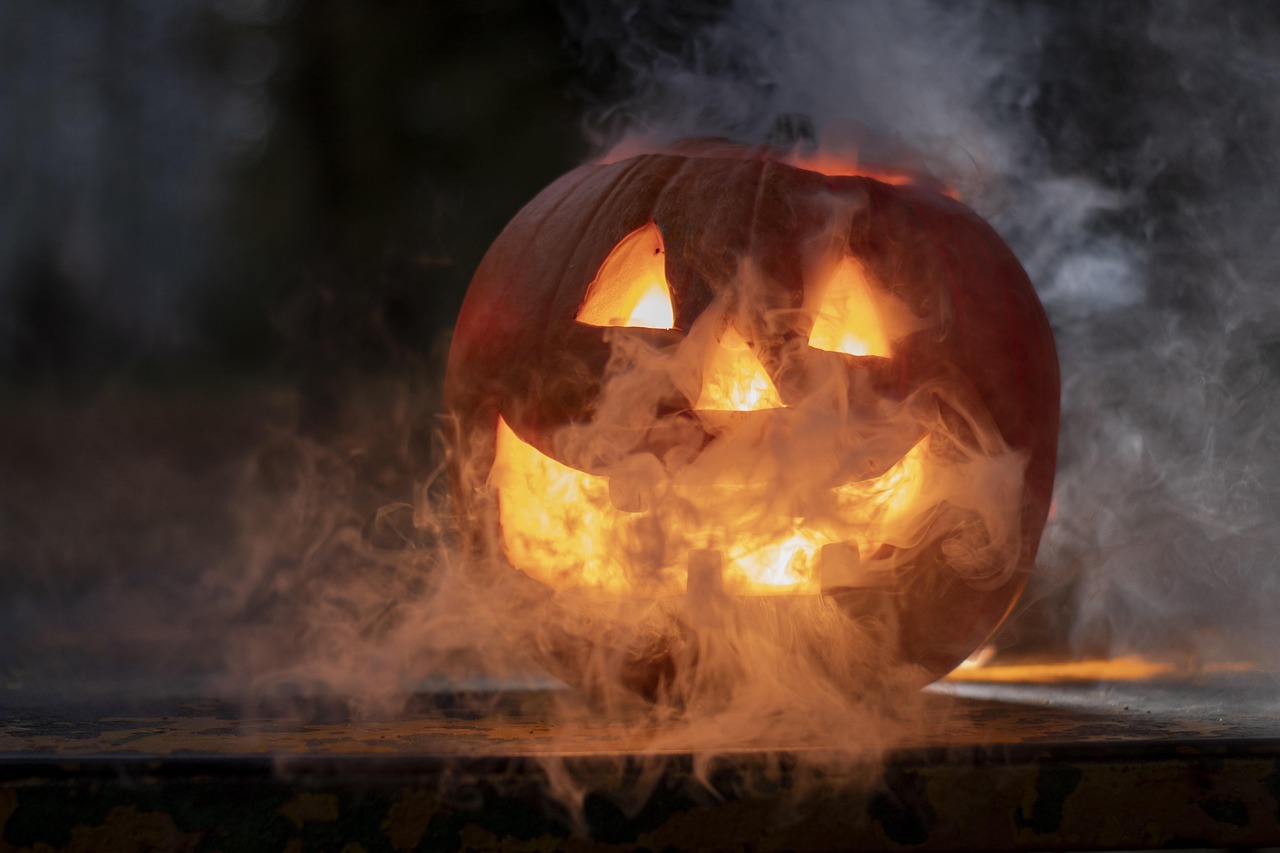
Halloween is the one night each year when everyone can be someone else. This year, Good Housekeeping says, the night is better than usual for two reasons.
First, Halloween falls on a Saturday. That means there are no school nights, no early alarms and no need to cut the fun short.
Second, there is a bonus hour. Daylight saving time ends at 2 a.m. on Sunday, November 1, when the clocks go back one hour. That gives everyone an extra hour of night.
The extra hour can be used in several ways. It gives people more time to decide whether to go to a party. They can pull together a costume and arrive late, or stay home without feeling guilty. For families trick-or-treating, it gives time for one more house, one more photo or one more guess at who is dressed as what. And on Sunday morning, anyone who stayed up late with a candy-fueled kid wakes up with an extra hour of sleep.
How rare is this? A Halloween on a Saturday is uncommon, happening only about twice in a decade, and in those years it coincides with the end of daylight saving time. The last such years were 2009, 2015 and 2020, and this year joins the list. After this year, the next time is 2037, an 11-year wait.
So the advice is to make the most of it. You can be a kid, a DJ or a mysterious stranger, and this year you have an extra hour to enjoy it.
About this story
Source: Good Housekeeping. Spotted a mistake? Tell us.
More in Lifestyle

A Music Producer's Guide to Picking the Right Headphones
Good Housekeeping says expensive does not always mean better, and the best choice depends on how you listen.
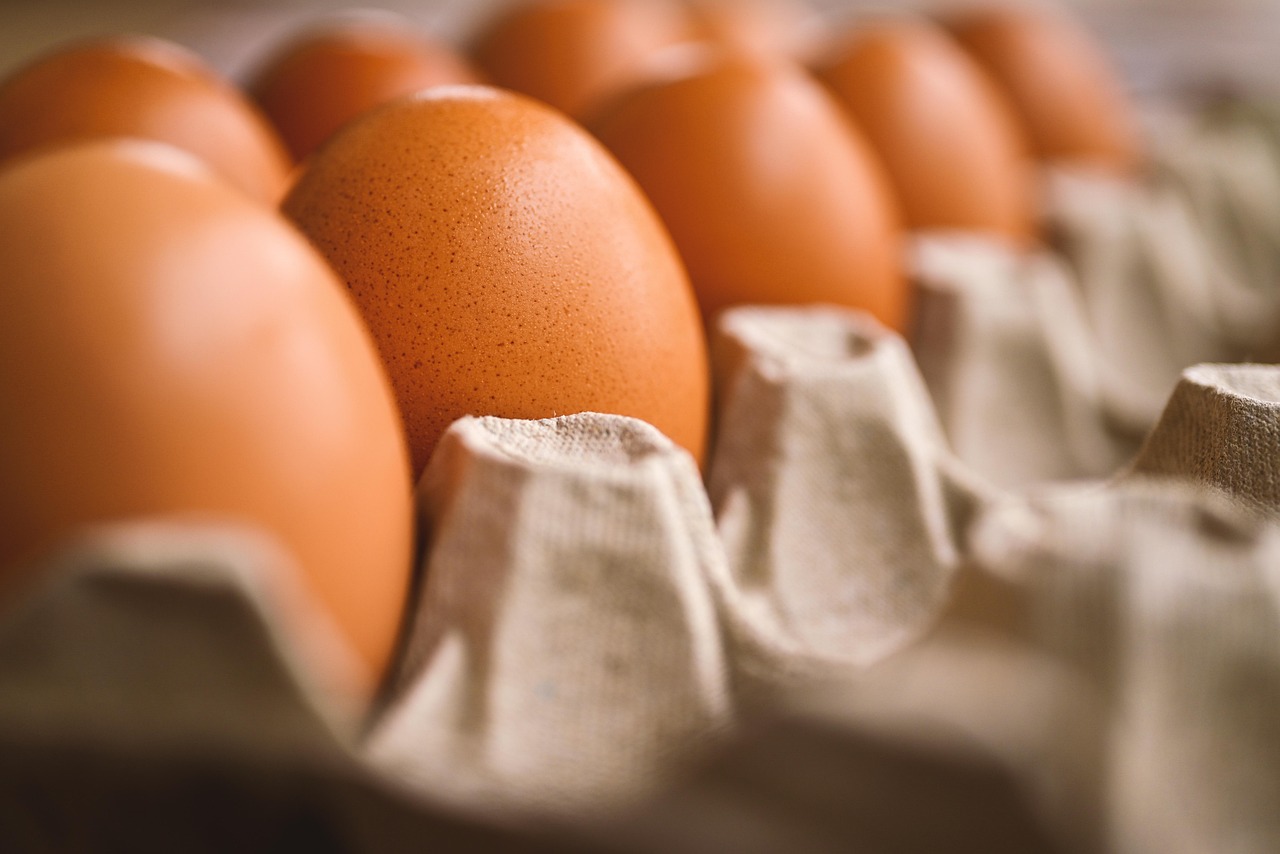
Is It Safe to Eat an Egg With a Cracked Shell?
Experts explain why a crack matters and how to cook an egg that cracked on the way home.
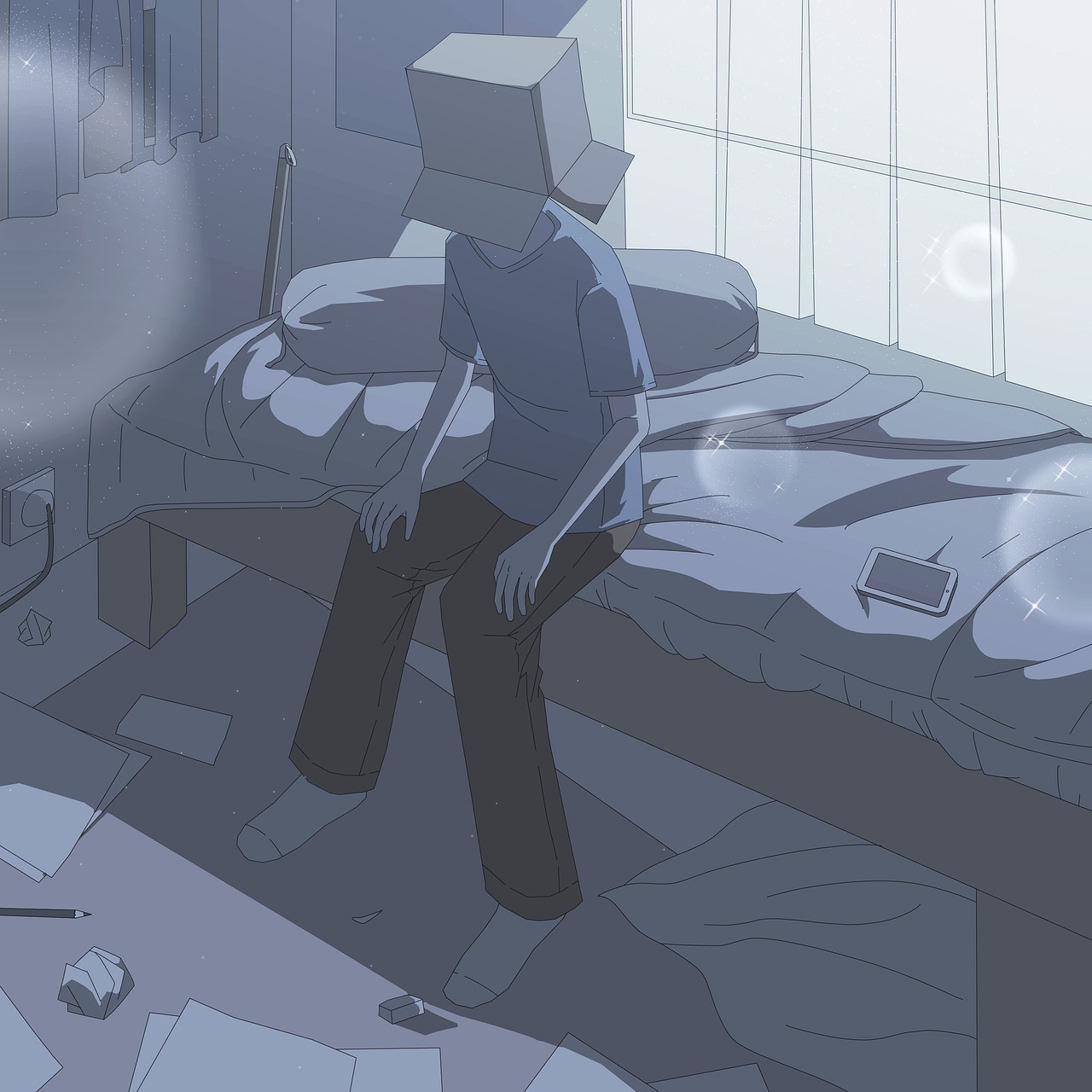
What Experts Say About "Teen-Ternity" Leave for Parents
A social media trend asks whether parents should step back from work when their kids become teenagers.