
What Experts Say About "Teen-Ternity" Leave for Parents
A social media trend asks whether parents should step back from work when their kids become teenagers.
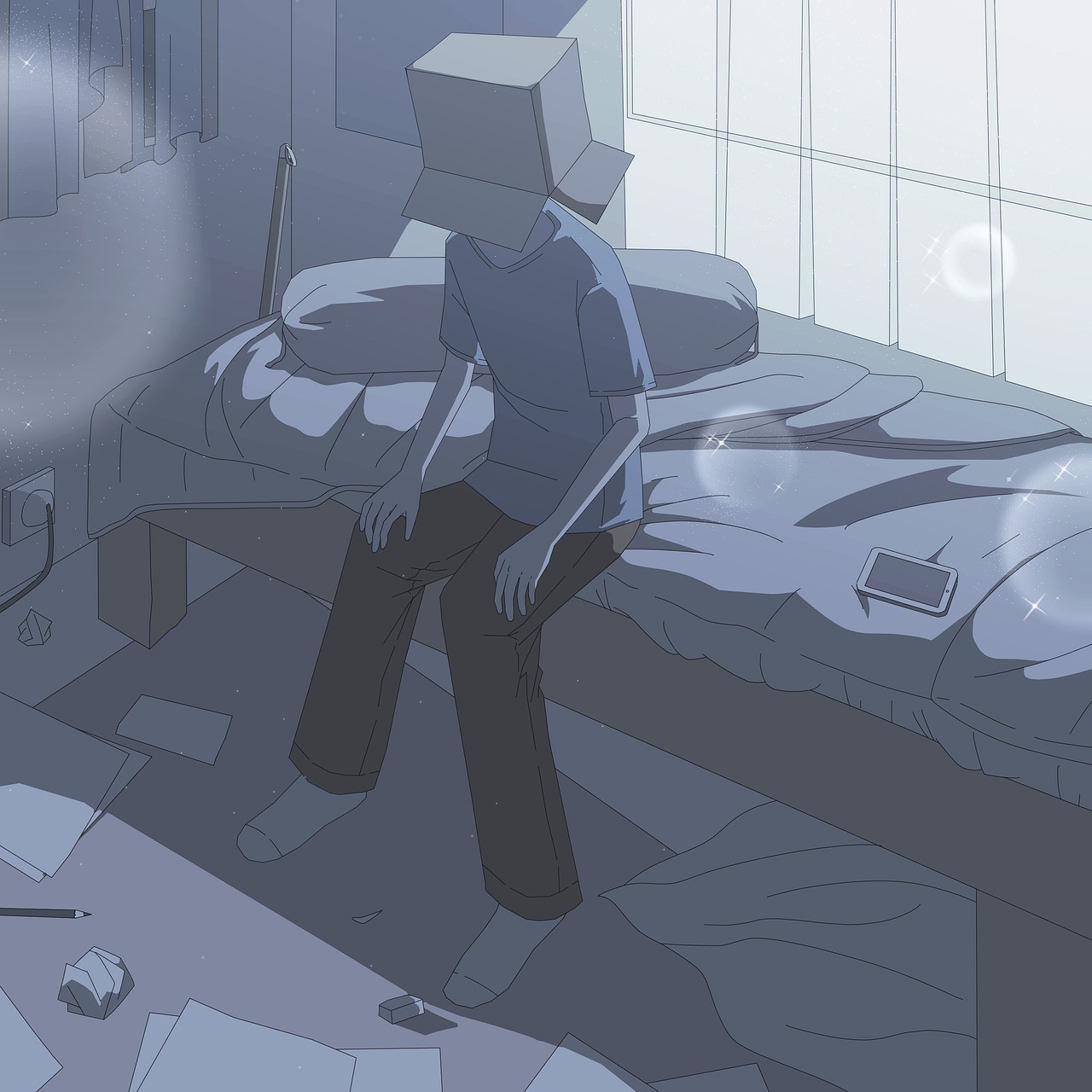
Parents are told plenty about how much babies need them. But the advice seems to flip when children get older. They can make their own breakfast and stay home alone, and they may barely notice you in the room. Good Housekeeping says there is far less guidance about how involved parents should be when a child's main way of communicating is a closed bedroom door.
That is where "teen-ternity" leave comes in. It is a term on social media for parents who cut back on work, or step away from it, during their child's teen years. The magazine found little evidence that it is happening on a large scale. Still, the idea raises a real question: do teenagers need more of their parents' time, or do they need parents to be available in a different way?
Why do teenagers often seem to want nothing to do with their parents? Psychologists call it separation-individuation. It means teens loosen some ties to their families, connect more with friends and figure out who they are apart from being someone's child. Lisa Damour, a clinical psychologist and author of The Emotional Lives of Teenagers, says that what looks like rejection is almost always development working as it should.
The pulling away can be unpredictable. A teenager might barely look up from a phone for three days and then show up in a parent's bedroom at 11 p.m. to talk about a friendship problem. Damour says this sudden switch is confusing for parents, but it is not a sign that something is wrong. It shows that the teen is doing two things at once: pulling away enough to become independent, and staying close enough to still need a parent.
Dr. Ken Ginsburg is a pediatrician at Children's Hospital of Philadelphia and helped found the Center for Parent and Teen Communication. He calls the teen years one of the greatest times of growth, behind only a child's first three years. He says the difference in adolescence is not whether teens need their parents, but what parents do. In childhood, parents do things for their kids. In the teen years, parents guide teens in doing things for themselves.
About this story
Source: Good Housekeeping. Spotted a mistake? Tell us.
More in Lifestyle

A Music Producer's Guide to Picking the Right Headphones
Good Housekeeping says expensive does not always mean better, and the best choice depends on how you listen.

Is It Safe to Eat an Egg With a Cracked Shell?
Experts explain why a crack matters and how to cook an egg that cracked on the way home.

Halloween Falls on a Saturday This Year, and It Comes With a Bonus Hour
The end of daylight saving time gives everyone an extra hour after the trick-or-treating is over.