
A DNA Reshuffle Long Ago May Explain Octopus Intelligence
University of Vienna scientists say the way DNA is folded may have helped octopuses, squid and cuttlefish get smart.
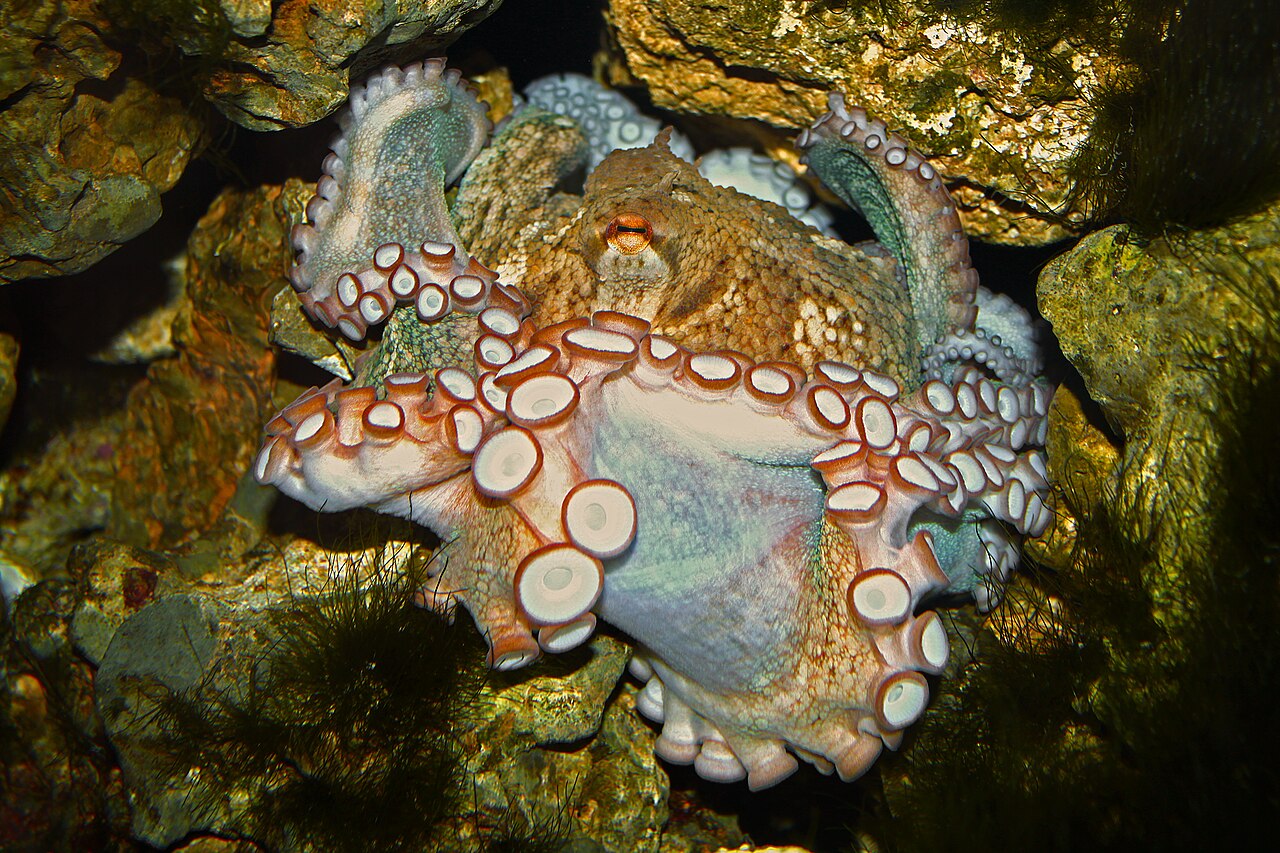
Octopuses, squid and cuttlefish have some of the most advanced nervous systems in the animal world. They can solve problems and quickly change how they look to blend in with their surroundings. How did they get these abilities? Researchers at the University of Vienna have found a surprising clue. It may lie not only in the genes themselves, but in how DNA is folded inside cells.
The scientists found that hundreds of millions of years ago, the DNA of these animals went through a huge reorganization. It brought parts of the genetic material that used to be far apart into contact. That changed how genes could work together and how they were controlled, and it may have helped these animals develop their unusually complex nervous systems. The group is known as coleoid cephalopods. The findings were published in Nature Communications and suggest that the physical structure of DNA may play a bigger part in evolution than scientists believed.
To study this, the team rebuilt the three-dimensional layout of the genome, which is all of an animal's DNA, in octopuses, squid and cuttlefish. They compared it with patterns of gene activity. Lead author Dr. Thea Rogers said the genome is not simply a row of genes, because it is folded into a complex 3D shape. She said that understanding how this structure evolves is becoming more and more important for explaining how new kinds of biological complexity appear.
DNA is often pictured as a long, twisted ladder, but inside a cell it folds up in an intricate way. That lets pieces that are far apart along the DNA come close together. These contacts matter because they can affect which genes switch on, when they are used and how strongly they work. This means the way DNA folds can change how genes behave without changing the genetic instructions themselves.
When large pieces of genetic material were moved around in these animals' ancestors, regions that had been separate were suddenly next to each other. That created chances for them to interact and, over time, to build more elaborate networks that control genes.
About this story
Source: ScienceDaily. Spotted a mistake? Tell us.
More in Nature
Across the U.S., Removing Old Dams Is Helping Fish Swim Home
More than 2,300 dams have been taken out since 1912, and fish such as herring are returning in the Northeast.
A Tiny Swimming Hunter From the Jurassic Helps Explain How Mammals Evolved
The 165-million-year-old fossil of Megacauda sungei has a soft palate that lets an animal swallow and breathe.

Europe's New Sentinel-3C Satellite Sends Back Its First Images of Earth
Two weeks after launch, the satellite showed the snowy Alps, frozen Arctic islands and turquoise Caribbean waters.