
Astronomers Find a Shared Rule for When Black Holes Launch Jets
Black holes that differ in size by millions of times seem to start their jets at the same stage of feeding.
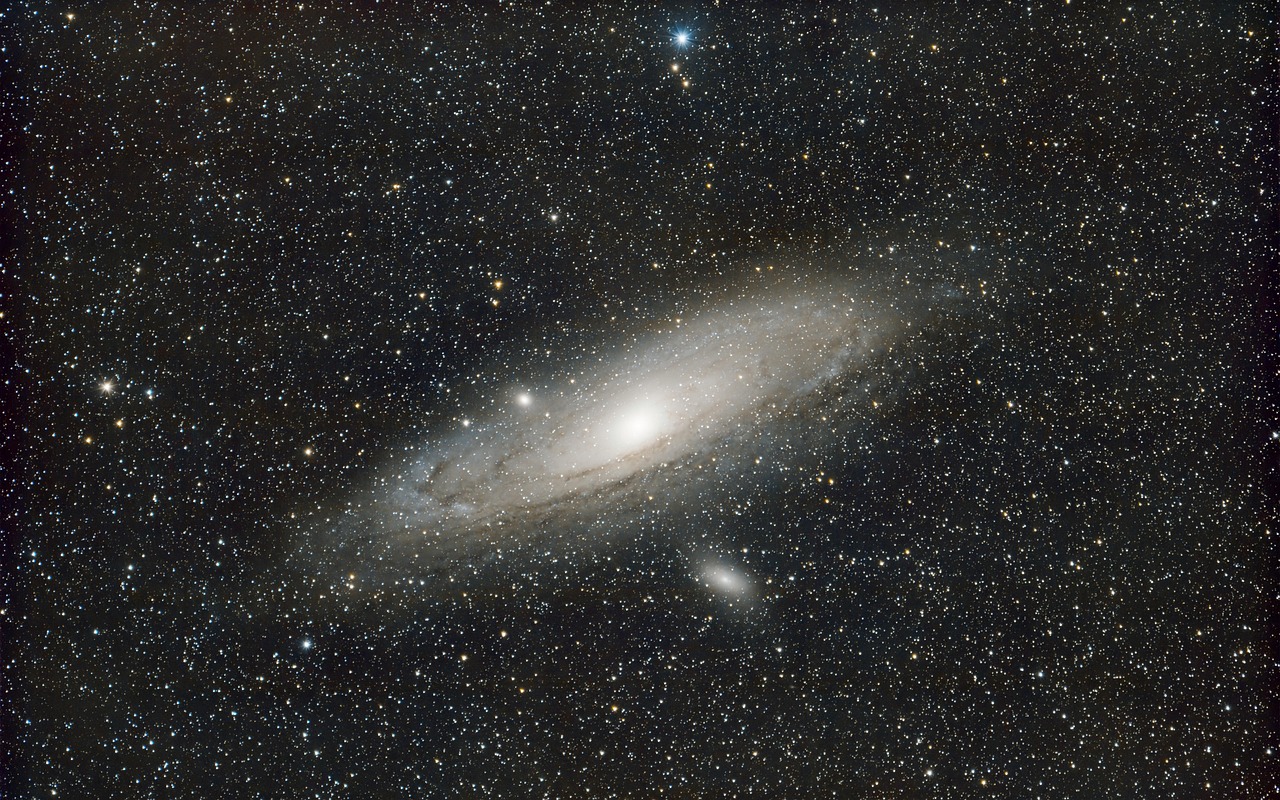
Astronomers have found a surprising rule that seems to decide when black holes shoot powerful jets of material into space. Black holes can differ in weight by millions of times. Even so, the researchers found that they appear to follow the same pattern when they make these huge outflows.
The finding was published in the journal Nature Astronomy. It suggests that a black hole switches on its jets at the same key point in its feeding cycle. That is true for black holes about 10 times as heavy as the Sun, and for ones that are millions of times heavier.
The work was led by Dr. Adelle Goodwin, an astrophysicist at Curtin University in Australia, with Dr. Andrew Mummery of the Institute for Advanced Study in Princeton as co-author. Their discovery grew out of years of studying rare events in which giant black holes tear stars apart. The team used telescopes in Australia, the United States, India and South Africa, as well as telescopes in space, to build a clearer picture of how black holes behave when they take in matter.
One big puzzle was timing. When a giant black hole rips apart a star, it sometimes launches a strong jet almost at once. In other cases it stays fairly quiet for months or even years before a jet of radio waves is detected. "We were looking at these events and asking why the timing was so different," Goodwin said.
The answer was a pattern. The delayed jets appeared when the black hole's feeding rate fell to the same critical point already known from much smaller black holes. Goodwin said it looked like a rule that applies across the Universe.
People often call black holes cosmic vacuum cleaners, yet their feeding is more complex than that. Matter spiraling inward does not all vanish beyond the event horizon, the edge past which nothing can get out. Some of it is flung back into space in jets and other outflows. Goodwin described it as a kind of black hole burp.
About this story
Source: ScienceDaily. Spotted a mistake? Tell us.
More in Science
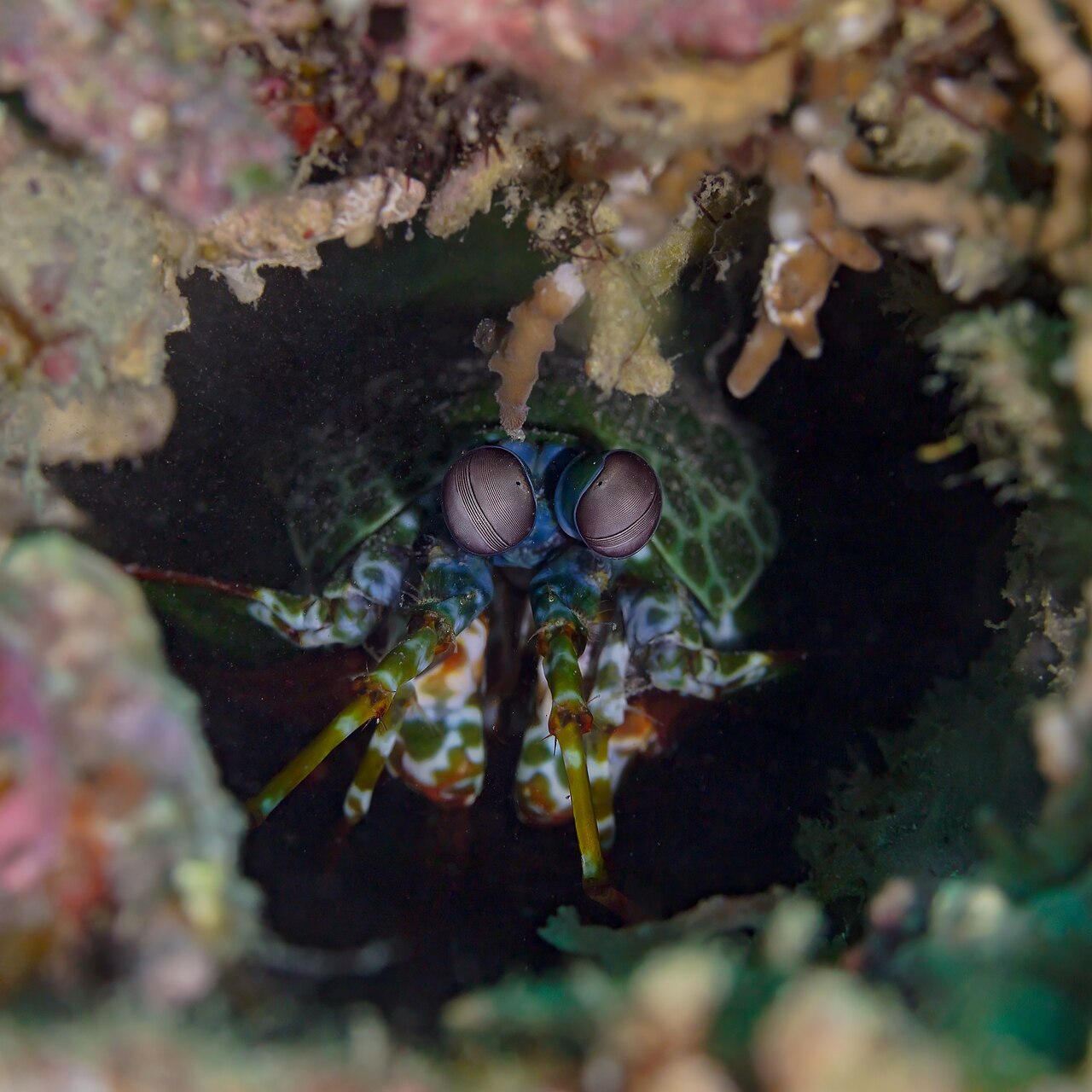
Mantis Shrimp Eyes Contain Pigments That Switch Back and Forth Like Light Switches
Scientists found that some of the animal's vision pigments see red light that few animals can detect.

A Study of 38,467 Songs Finds Lyrics Have Become Less Emotional
Michigan State University researchers looked at songs from 230 artists between 1947 and 2024.

A New Undersea Cable Called Petal Will Carry Huge Amounts of Internet Data
The 4,300-mile cable between the U.S. and France is planned to start working in 2029.