
Meet the NASA Manager Helping to Get Moon Rockets Ready
Allison Mjoen has worked at Kennedy Space Center for 20 years, from the Space Shuttle to the Artemis missions.
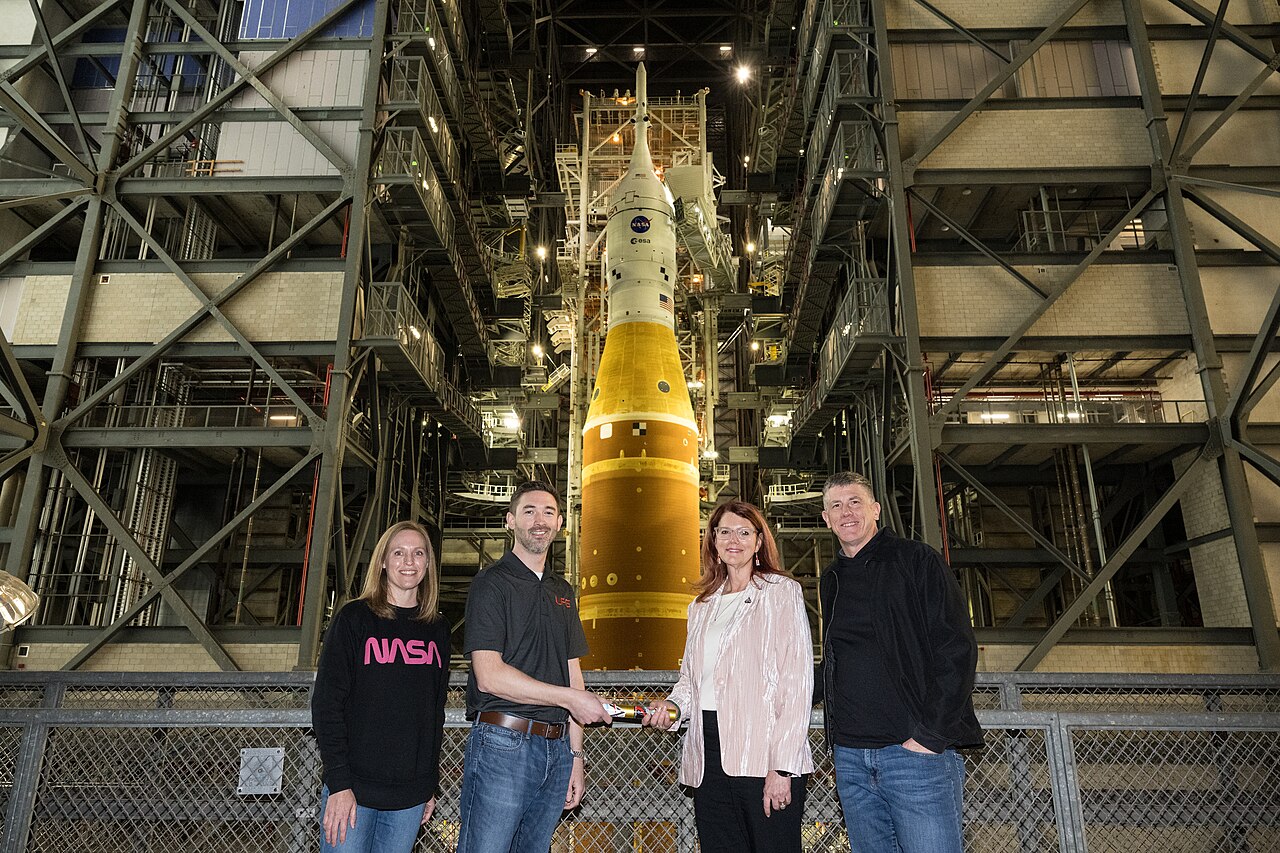
On April 1, 2026, Allison Mjoen stood on the Florida Space Coast with her children and watched NASA's Space Launch System, or SLS, rocket roar to life. It was a bright, clear day. The launch let her children see the result of their mom's work, and NASA says Mjoen will remember that day forever.
Mjoen is the operations manager for NASA's Exploration Ground Systems Program. Her team helps shape the equipment and ground operations that will one day send people back to the Moon. In her role she works out the plans for getting the Artemis vehicles ready, focusing on the boosters and the Orion spacecraft, and she oversees that work on the ground long before launch day.
She has spent 20 years at NASA's Kennedy Space Center in Florida. Her career began with the Space Shuttle Program, where she worked as a flight crew systems engineer. Her team prepared the inside of the shuttle for each mission, including the food, spacesuits, cargo and science equipment that astronauts needed on board.
When the Space Shuttle Program ended, she moved to the International Space Station Program as a payload integration engineer. In that job, she connected scientists who ran experiments with the groups building the hardware. Later she led the team handling spacecraft payloads for Artemis I, the first Artemis mission.
During Artemis I she also became a certified operations project engineer in the firing room, where teams control launch operations. Earning that certification was a milestone, she said, and using it in real time brought a new level of responsibility.
Mjoen has some advice for people starting out. Early in her career, she says, she thought every decision had to be perfect. She now believes that everything is a chance to learn, even tasks that seem unrelated. Her tips are to stay curious, work hard and build good relationships, and to trust that each step prepares you for the next one.
She says she enjoys working every day with talented people who share one goal, and she looks forward to the next time families can share a launch together as the Artemis program continues.
More in Science
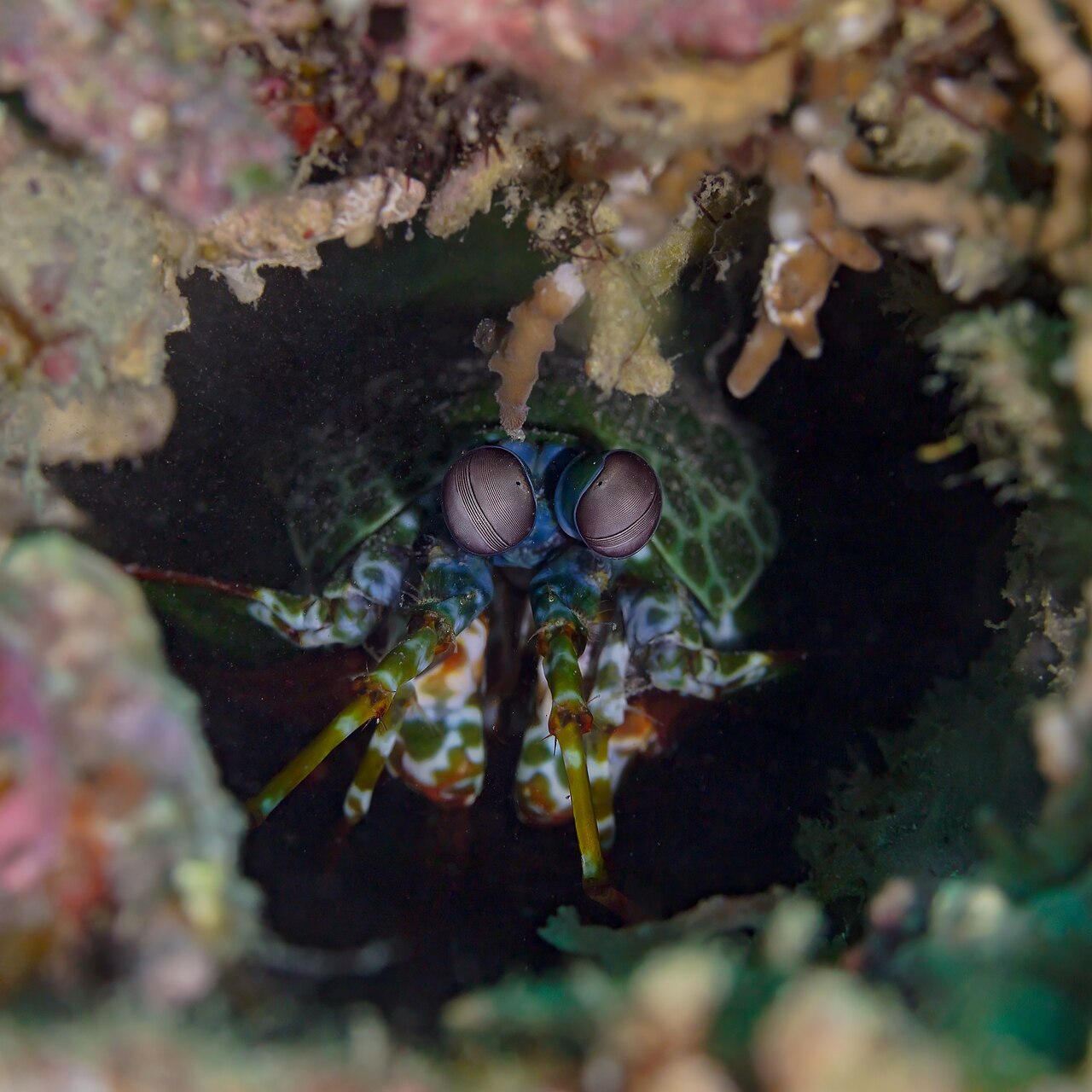
Mantis Shrimp Eyes Contain Pigments That Switch Back and Forth Like Light Switches
Scientists found that some of the animal's vision pigments see red light that few animals can detect.

A Study of 38,467 Songs Finds Lyrics Have Become Less Emotional
Michigan State University researchers looked at songs from 230 artists between 1947 and 2024.

A New Undersea Cable Called Petal Will Carry Huge Amounts of Internet Data
The 4,300-mile cable between the U.S. and France is planned to start working in 2029.