
Scientists Find the Gene That Decides Which Way a Snail's Shell Coils
Researchers studying snails in Japan found that tiny changes in one gene create mirror-image shells.
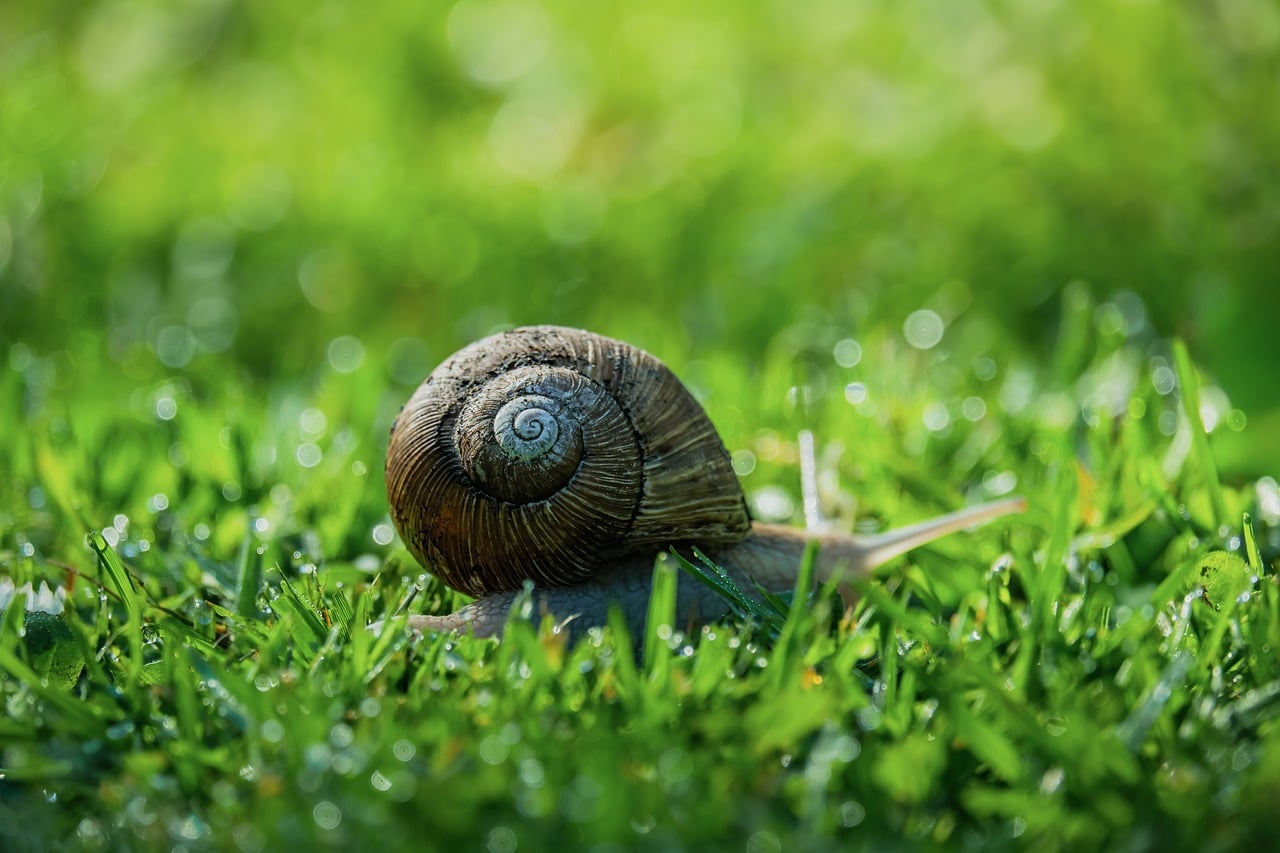
Most snail shells coil to the right, but some coil to the left. Researchers from Tohoku University and the University of Nottingham looked at wild Euhadra snails in Japan to discover why. A gene that makes a protein called myosin decides it. The study was published in Current Biology.
Myosin teams up with other proteins to build the cell's frame, which allows the cell to shift its shape and travel. The researchers think that a few small changes in the myosin protein affect whether cells twist clockwise or counterclockwise in the earliest stages of development. That sets the direction in which the adult snail's shell and organs develop. This direction is called chirality, which means "handedness," like the difference between your left and right hands.
Professor Angus Davison, who led the study, said that in ways scientists do not fully understand, the handedness of the basic building blocks of life ends up producing bodies that are handed too. It is the basis for our hearts being on the left side and for snail shells that usually coil to the right. He said most snails have right-coiling shells, but a good number have left-coiling ones, and a few species have both. Until now, no one knew how. It turns out that small changes in a myosin gene make mirror-image snails that are still healthy.
The finding helps scientists understand how many kinds of animals develop their left and right sides. The timing is good, too, because scientists who solved the mystery of how chirality arises received a Nobel Prize last week. Unlike snails, almost all other animals have a fixed body plan, and rare reversals of their organs are often linked to problems in the embryo. The Japanese snails with left- and right-coiling shells develop normally, with no sign of disease. Both versions are ancient, but the left-coiling version shows signs of natural selection.
In most snails the two types cannot mate because their body parts are on opposite sides. The key to the work was a valley deep in the mountains of Japan where both types can mate and exchange genes.
More in Science
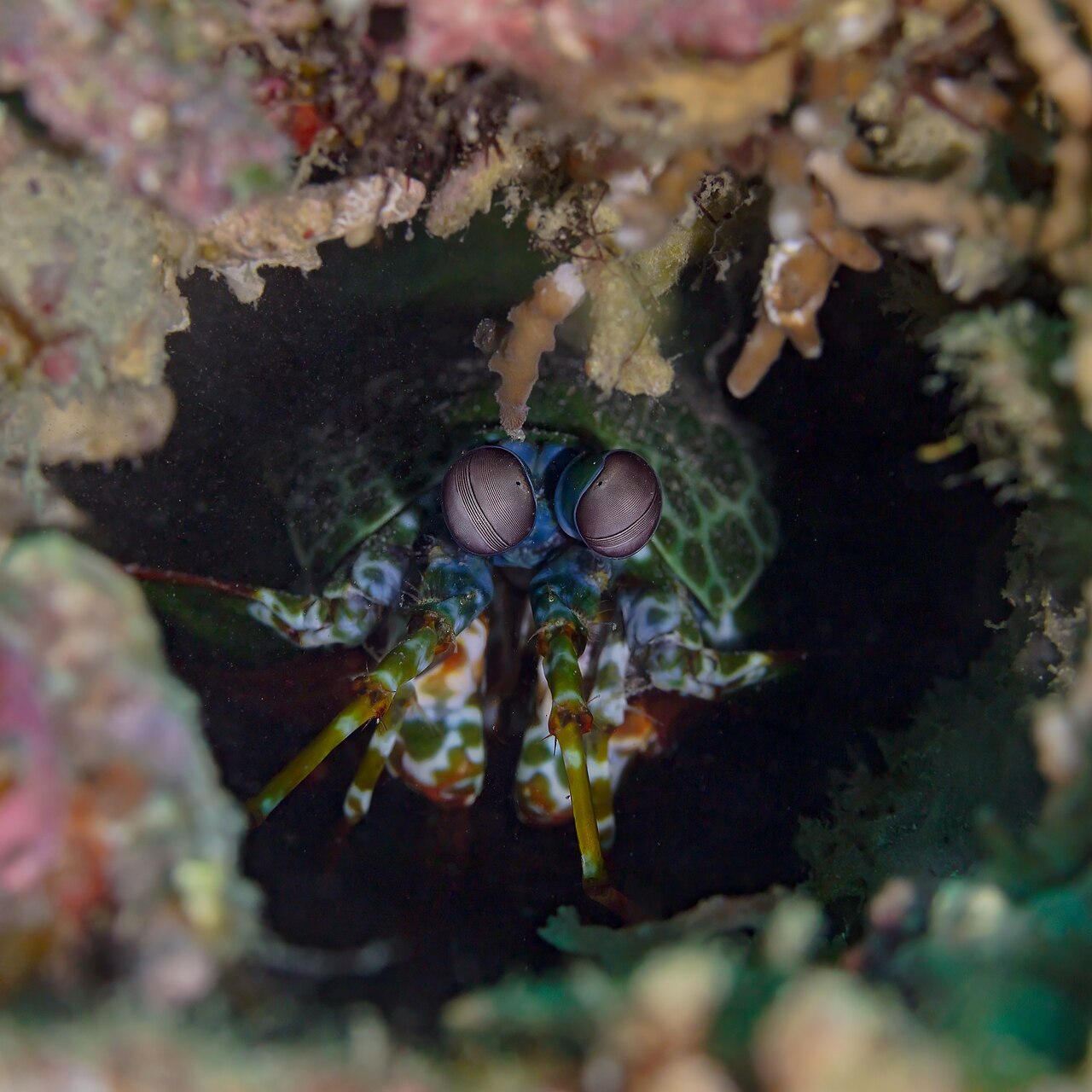
Mantis Shrimp Eyes Contain Pigments That Switch Back and Forth Like Light Switches
Scientists found that some of the animal's vision pigments see red light that few animals can detect.

A Study of 38,467 Songs Finds Lyrics Have Become Less Emotional
Michigan State University researchers looked at songs from 230 artists between 1947 and 2024.
A New Undersea Cable Called Petal Will Carry Huge Amounts of Internet Data
The 4,300-mile cable between the U.S. and France is planned to start working in 2029.