
Why the UK Has Not Had a Named Storm This Autumn
Calm, dry weather has kept big storms away so far, but forecasters say wetter and windier days may be coming.

With November almost here, the UK has not yet had its first named storm of the season. According to BBC News, deep low-pressure systems over the Atlantic Ocean, which bring rough weather, have been pushed away by large areas of high pressure. This year the weather headlines have been about a worsening drought, not about strong winds.
The jet stream helps explain why. The jet stream is a narrow band of very fast winds high up in the sky. In autumn it usually passes over the UK and steers wet, windy weather our way. This season it has often stayed to the north or north-west instead. That has let warmer winds blow in from the south and south-west, and high pressure has kept rainfall low for many places.
The rain that has fallen is uneven. The heaviest has been over Scotland and Northern Ireland, while parts of England and Wales have stayed much drier than normal. Some places in Herefordshire have had only a tenth of the rain they would usually get by mid-October. In southern England, reservoir levels are very low, and the Environment Agency has declared "severe drought" in some areas.
That may be about to change. The jet stream is expected to shift and strengthen over the coming week, which would let deeper low-pressure systems reach more of the UK. Forecasters say there is a chance of the first widely disruptive weather of the season later in the week.
Longer-term signs point the same way. The Met Office expects El Niño, a pattern in the Pacific Ocean, to strengthen. Its outlook for October, November and December gives double the usual chance of a wetter spell and 1.3 times the usual chance of a windier one.
Storms are usually named when damaging winds are forecast. They can also be named for flooding rain or disruptive snow. The idea is to draw public attention to severe weather so people can plan ahead. The UK, Ireland and the Netherlands share a naming group, which began naming storms in 2015. Their weather services choose the names based on the expected effects of each storm.
More in Science
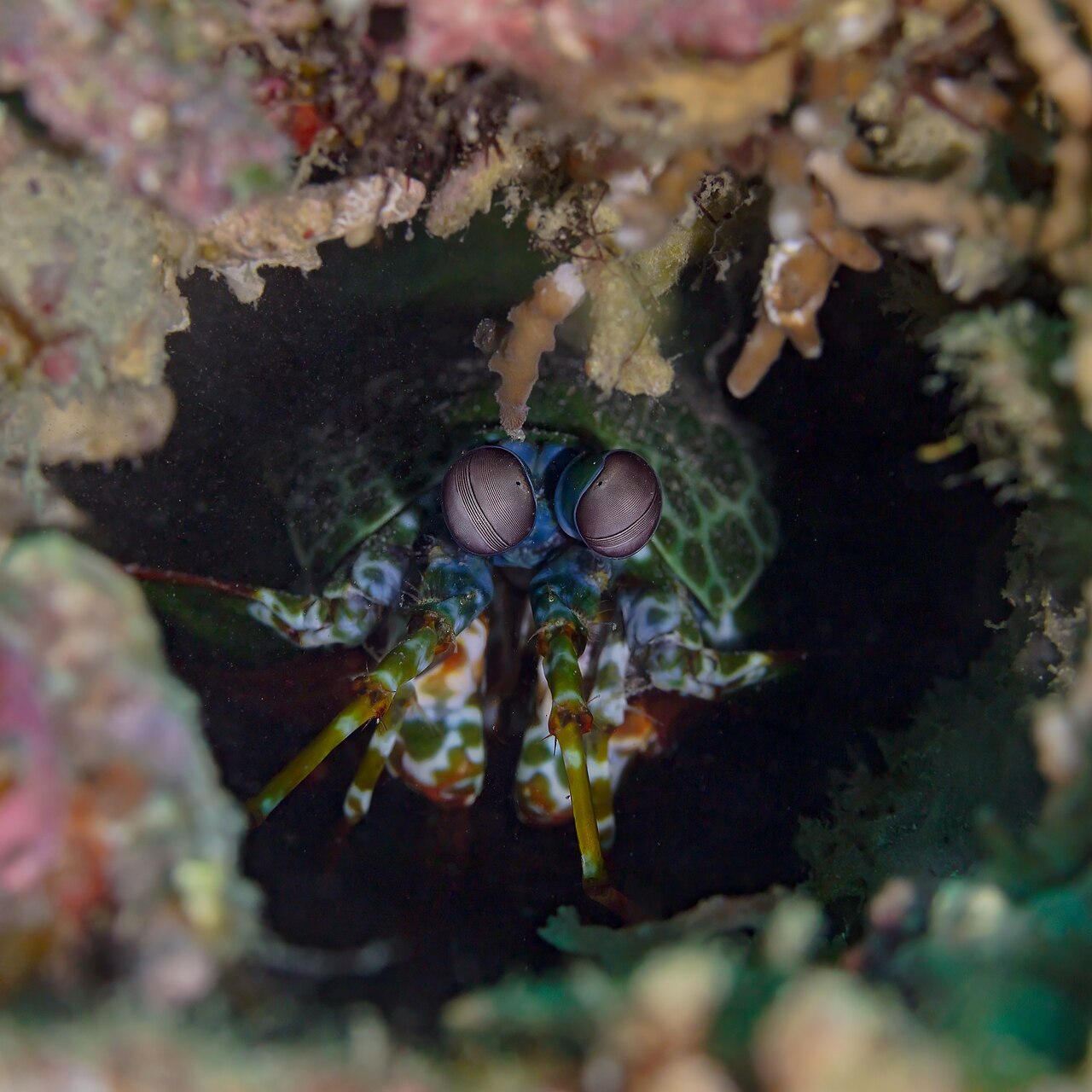
Mantis Shrimp Eyes Contain Pigments That Switch Back and Forth Like Light Switches
Scientists found that some of the animal's vision pigments see red light that few animals can detect.

A Study of 38,467 Songs Finds Lyrics Have Become Less Emotional
Michigan State University researchers looked at songs from 230 artists between 1947 and 2024.

A New Undersea Cable Called Petal Will Carry Huge Amounts of Internet Data
The 4,300-mile cable between the U.S. and France is planned to start working in 2029.