
A Coral Reef Off Benin, Thought Dead for 60 Years, Is Full of Life
Cameras found healthy coral and eight kinds of fish more than 50 meters below the surface.
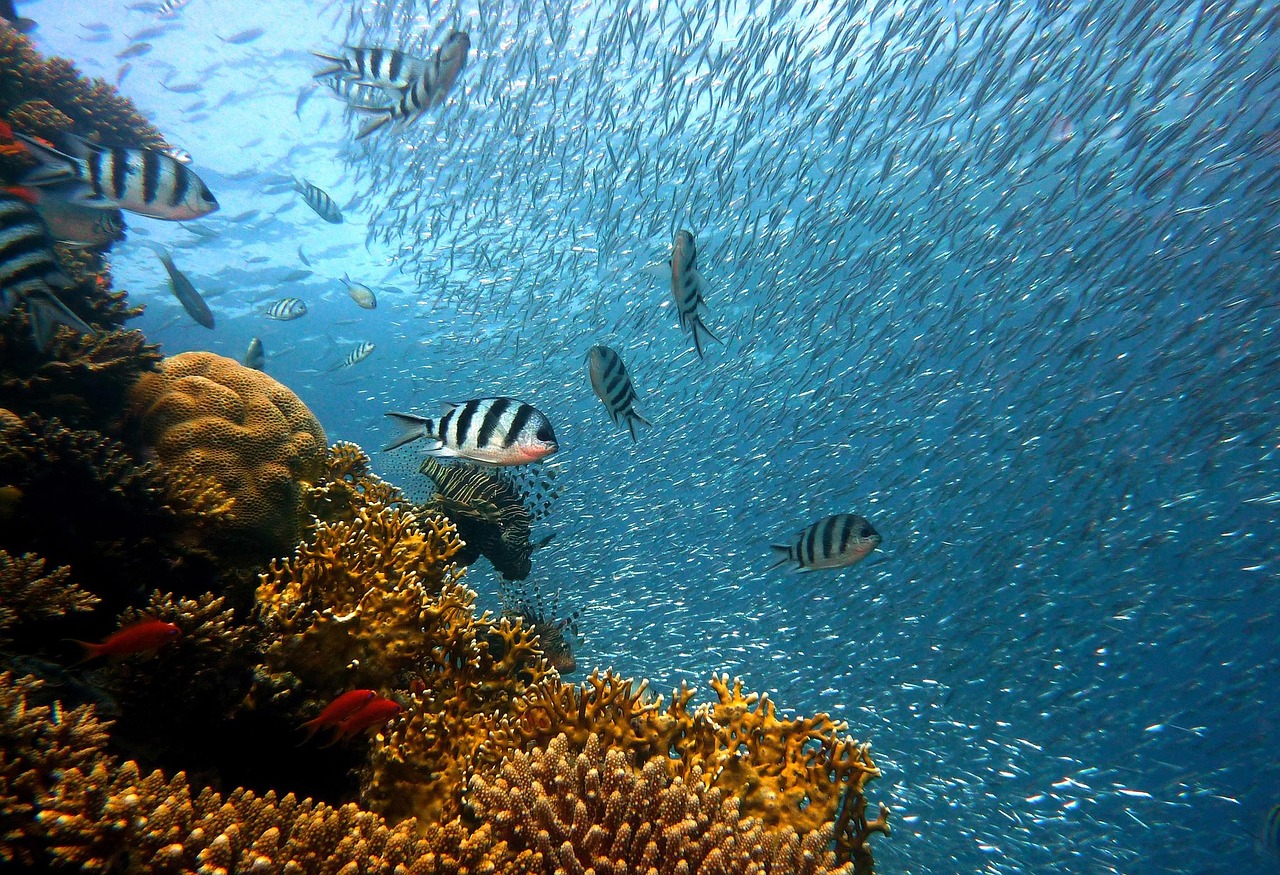
A coral reef off the coast of Benin that was thought to have been dead for decades has been found alive and apparently healthy. ScienceDaily reports that surveys in the 1960s, which were mainly meant to find good fishing grounds, spotted what looked like a deep-water coral reef. Researchers at the time decided it was probably dead. More than 60 years later, scientists went back with modern sonar and the Deep Sea Camera System from the National Geographic Exploration Technology Lab, and found something very different.
Gérard Zinzindohoué of the Benin fisheries and oceans research institute, the lead author of the article in Frontiers in Marine Science, said it was not an easy trip. It involved long days at sea, technical problems and a lot of uncertainty. Then they saw shapes on the sonar that could be reefs, which gave them hope. Next they checked with an underwater drone and the camera system, which works a bit like trail cameras placed under the sea. He remembers seeing the first images and feeling excitement and disbelief.
The scientists suspected the site might be a mesophotic coral ecosystem, one that lives deeper than the usual shallow reefs, where light is much weaker. Such a reef does not always form one continuous structure. It can look like scattered patches of coral across the seafloor. Following the old records, the team scanned 11.5 kilometers of seafloor with sonar and found two areas with signals that looked like reefs. The pictures showed what seemed to be a healthy coral community, with eight kinds of coral. There were eight types of fish living there to eat and hide, such as golden African snappers, blackbar soldierfish, Guinean angelfish, West African goatfish, Monrovia doctorfish, three-banded butterflyfish, and two species of damselfish.
Instead of one solid coral wall, the reef seems to be made of separate patches growing on rocky parts of the seabed where the conditions are suitable. Scientists say more surveys may turn up other reefs in the waters off West Africa that have not yet been recorded.
About this story
Source: ScienceDaily. Spotted a mistake? Tell us.
More in Animals
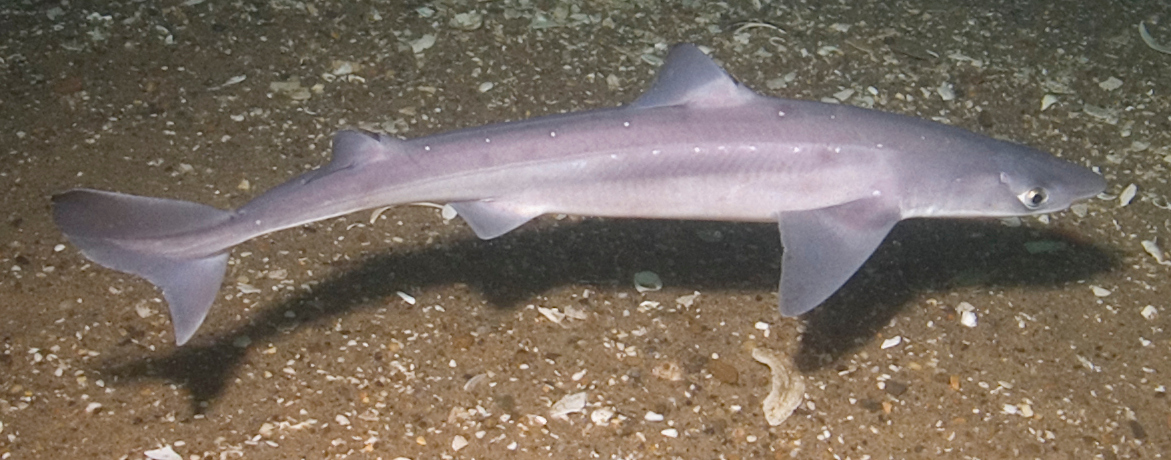
Scientists Find a Hormone in Spiny Dogfish Sharks That Experts Thought Sharks Lacked
A study in Canada detected cortisol in the blood of a small shark species.

A Big Genetic Study of Cat Cancer Finds Surprising Links to Human Cancer
University of Guelph researchers studied tumors from almost 500 cats and say the results could help both species.
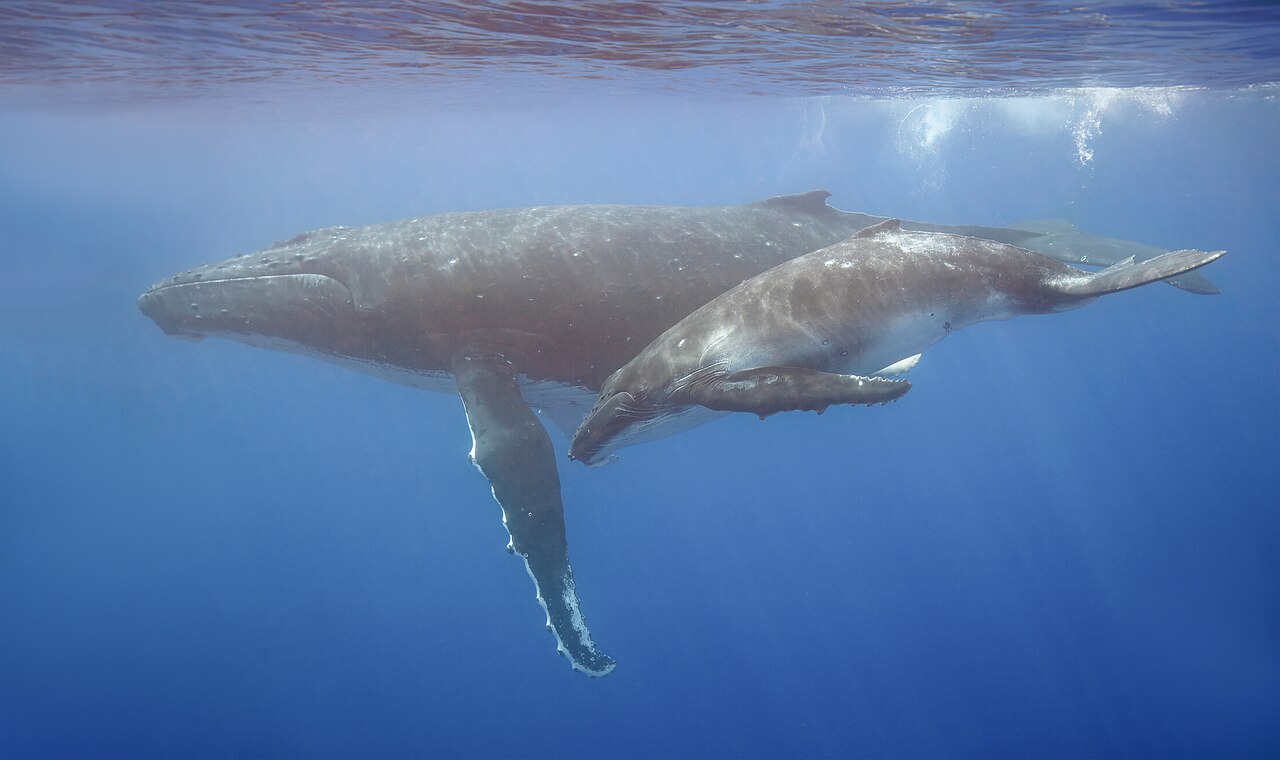
A Humpback Whale Mother Stayed Near Her Calf for Hours, Scientists Report
Researchers say the rare sighting off Australia's Gold Coast may offer clues about whale emotions.