
Crocodiles Raised in Captivity Settled Into the Wild Instead of Heading Home
A study in Bangladesh's Sundarbans suggests older captive crocodiles could help restore dwindling populations.
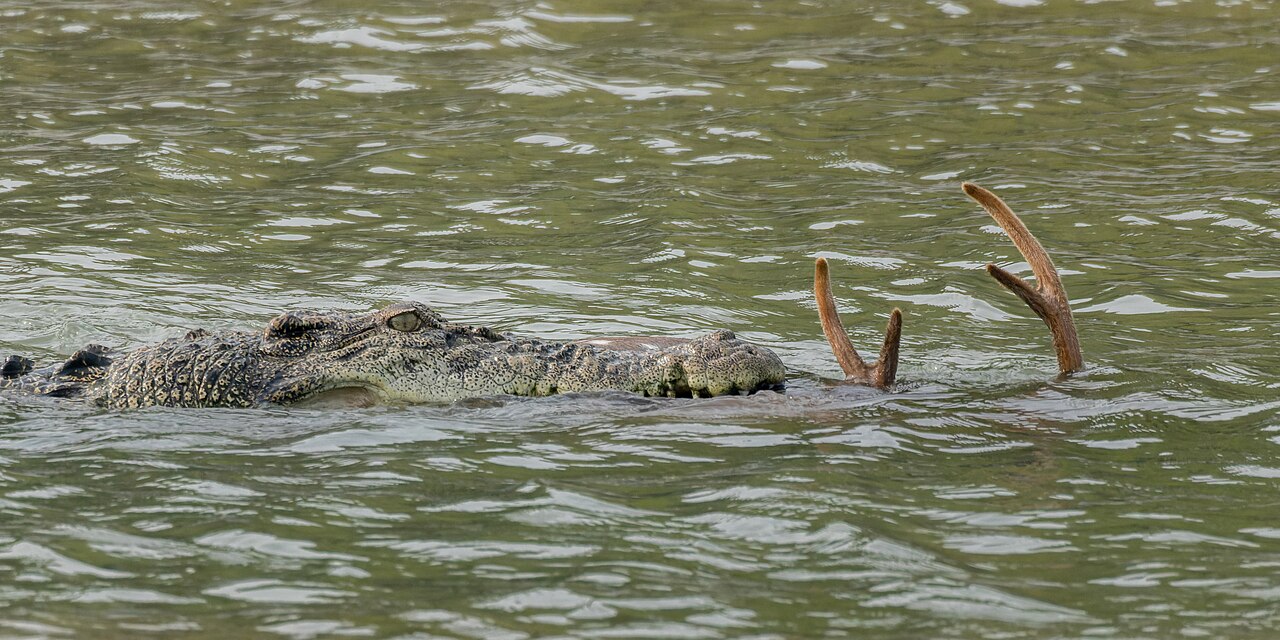
Crocodiles are known for finding their way home, which makes moving them difficult. According to ScienceDaily, a recent study shows that saltwater crocodiles that grow up in captivity might not go back to their breeding spots once they are set free. That could help conservationists restore declining populations.
Finding the way home is important for many animals. Some make short trips back to a nest or burrow each day, while others travel huge distances over weeks or months. Ru Somaweera, a behavioral ecologist at Murdoch University, said crocodiles are remarkably good at going back to the spot where they were caught, which limits the success of relocation programs. What was not clear, he said, is how this works for animals that were bred or kept in captivity for a long time.
In Bangladesh, scientists studied the Sundarbans mangrove forest, which is one of the few remaining places in the nation where saltwater crocodiles can live safely. Heavy hunting for their skins nearly wiped them out there until the 1970s. They have been legally protected since 1973, but their numbers have not recovered in a measurable way. Most of the country's known crocodiles live in the Sundarbans, and even there the most recent survey estimated just 140 mature adults.
Reintroduction programs have usually used hatchlings, but few of them survive and they take a long time to become adults. Somaweera said it is an important gap in knowledge whether larger, captive-bred crocodiles could be used instead. If they just returned to their enclosures, reintroduction would fail.
To find out, the team attached satellite trackers to five adult saltwater crocodiles. Three were females that had spent 8 to 22 years in captivity. One was a local wild crocodile that was caught and released at the same place, and one was a wild crocodile that was moved a long way from where it was caught. They followed the animals for several months after release. The most encouraging result, according to the team, was that the captive-raised crocodiles did not try to go back to their breeding facility and settled into the wild instead.
About this story
Source: ScienceDaily. Spotted a mistake? Tell us.
More in Animals
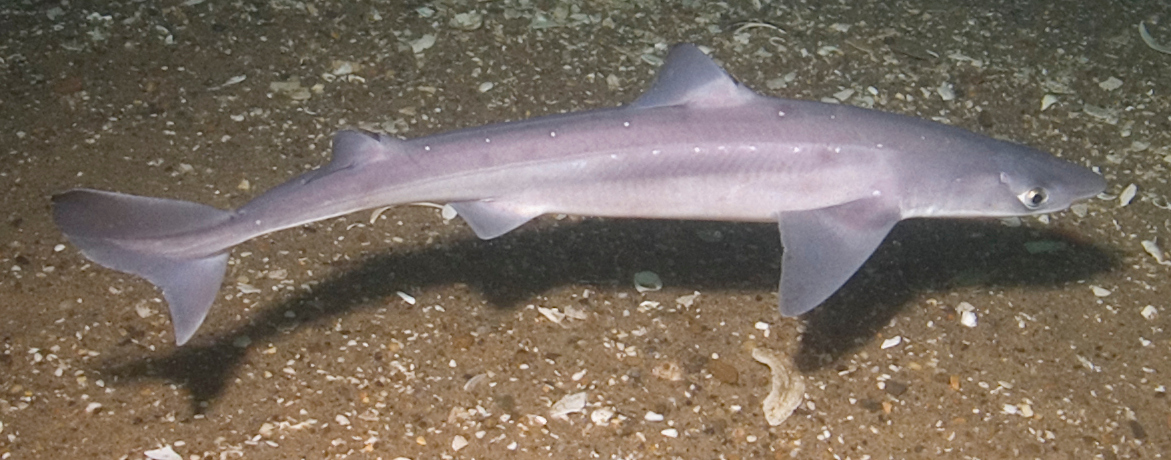
Scientists Find a Hormone in Spiny Dogfish Sharks That Experts Thought Sharks Lacked
A study in Canada detected cortisol in the blood of a small shark species.
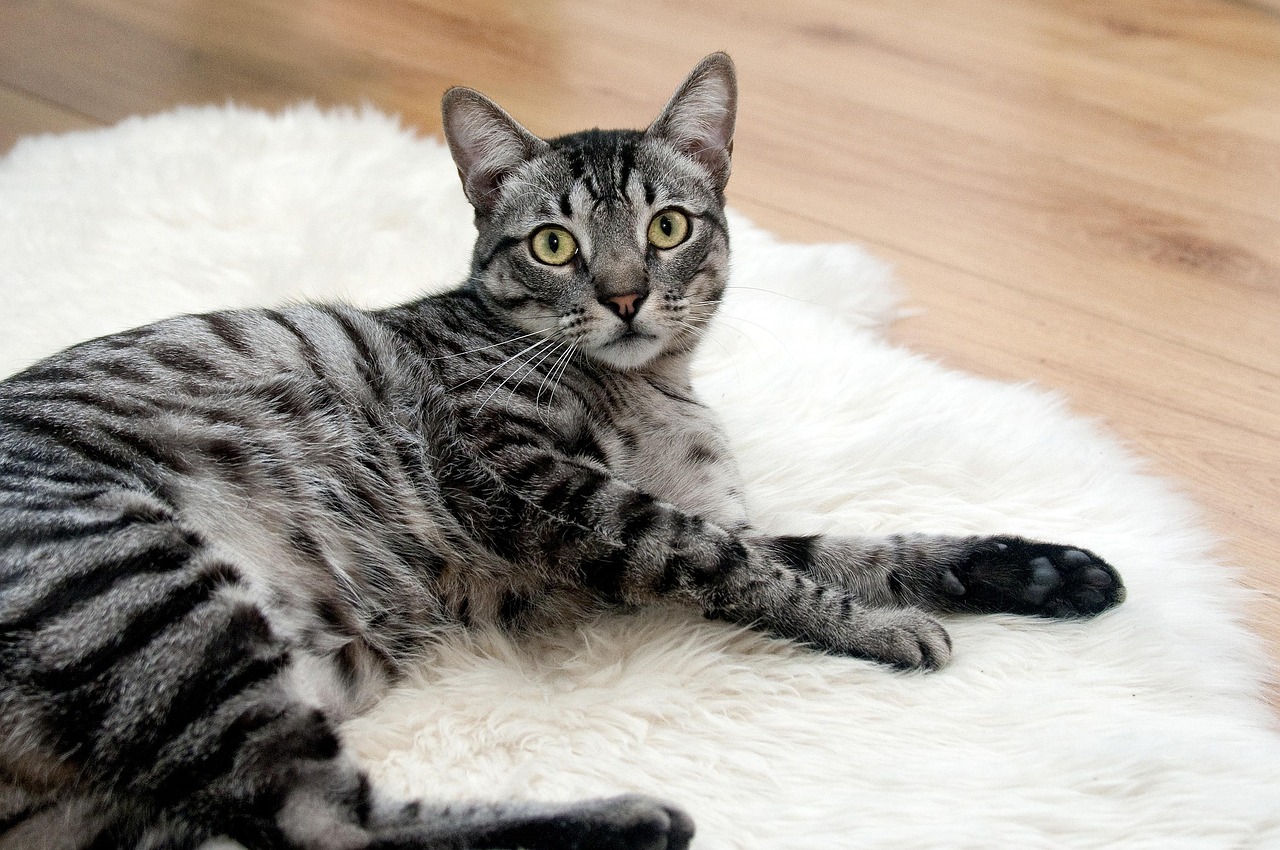
A Big Genetic Study of Cat Cancer Finds Surprising Links to Human Cancer
University of Guelph researchers studied tumors from almost 500 cats and say the results could help both species.
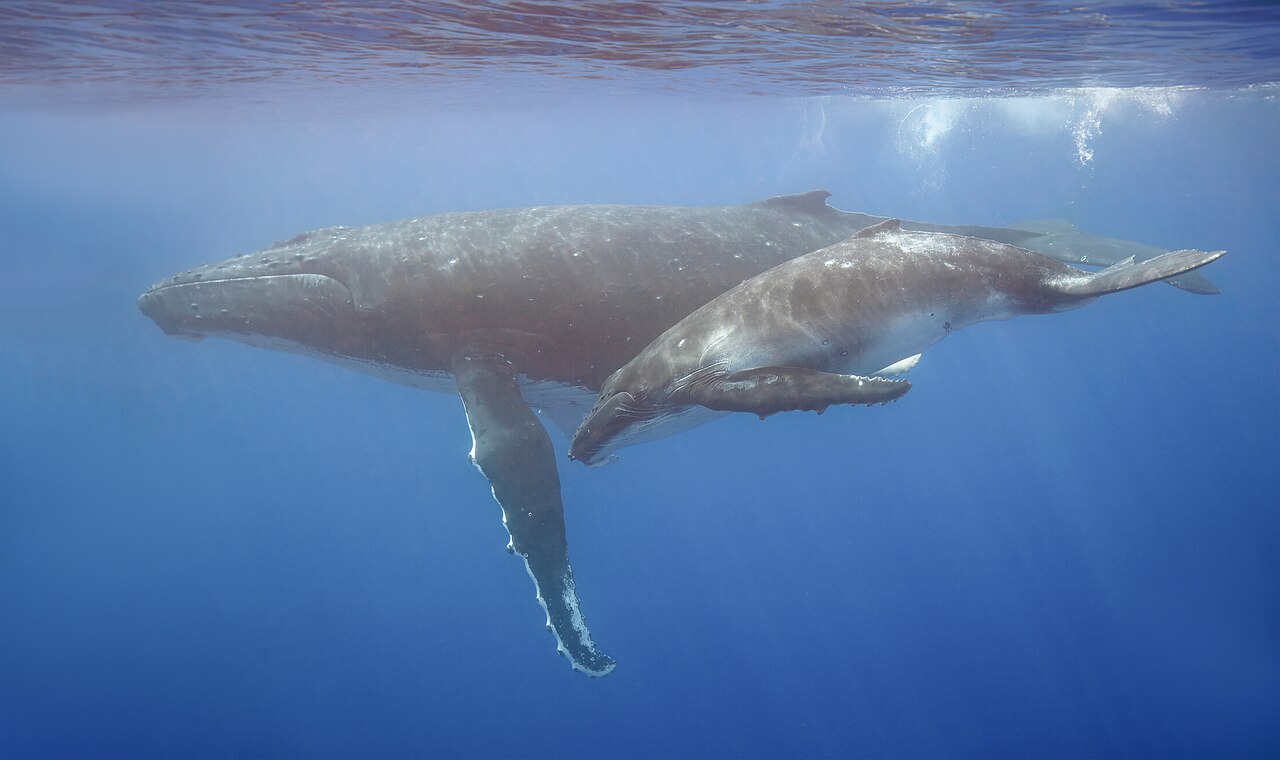
A Humpback Whale Mother Stayed Near Her Calf for Hours, Scientists Report
Researchers say the rare sighting off Australia's Gold Coast may offer clues about whale emotions.